Competition Ready: How to Prepare for a Horse Show
Learn how to prepare your horse for competitions the right way: entries, training, tack care, and mental preparation. Use our tips and checklist to start your show day relaxed and ready to succeed. Perfect for dressage and showjumping riders who want to perform at their best in the arena.
Table of Contents
Stepping into the ring with your horse is an exciting challenge—but it takes solid preparation. In this article, you'll learn everything you need to get show-ready, from entry requirements and final training sessions to tack care and mental readiness. Whether you're competing in dressage or showjumping, this guide helps you prepare with confidence.
Competition Preparation at a Glance
Presenting your horse at a competition means juggling quite a few tasks. This guide walks you through each step—from official procedures like registration and start declaration to training tips and gear checks.
When we talk about competition prep, we mean both the paperwork and the practical side: preparing your horse physically, mentally, and visually. That includes thoughtful training, tack and leather care, and grooming. At the end of this article, you’ll find a handy checklist you can download to stay organized.
Entry Requirements Explained
The first official step to competing is the entry process. In Germany, competitions are generally registered online, and the rules depend on which system you're entering under:
- LPO (Performance Testing Regulations): for competitive riders
- WBO (Competition Regulations): for amateurs and beginners
LPO Competitions require:
- Your horse must be registered as a show horse with the FN (German Equestrian Federation).
- Riders in class E need only a free trial license.
- For class A or higher, you need an annual competition license and the relevant riding badge.
- Entries are submitted via the FN Online Entry Portal
WBO Competitions are more flexible:
- No license, badge, or horse registration needed
- Club membership often required
- Entries are submitted via this WBO entry form or directly through the event organizer's site.
Mandatory Vaccinations
Regardless of the format, horses must be vaccinated against influenza and equine herpes. These are strict prerequisites and should be documented in your horse's passport.
Performance Classes by Riding Badge
Your Final Training Session
Some riders use the final session before a competition to polish specific tasks or rehearse a jumping course. Others prefer a light ride to keep the horse relaxed and avoid muscle strain. There’s no one-size-fits-all approach.
What really matters is the long-term training plan tailored to your horse’s needs. That consistency builds lasting performance.
Tack and Leather Care
Clean, well-maintained gear shows professionalism and respect for the sport. Even if it’s not a beauty contest, first impressions matter.
- Disassemble your bridle and saddle, and take a photo to help with reassembly
- Clean with saddle soap before applying leather balm or grease
- Use product sparingly—too much can damage the leather
- Wipe off excess, clean stirrups and bit, and reassemble everything
Regular cleaning every two to three months keeps leather supple and safe. To check whether your tack is competition-approved, consult the FN’s equipment guide.
Grooming Your Horse
Your horse should look its best on show day. Follow these essential grooming steps:
- Wash with horse shampoo
- Thorough brushing doubles as a relaxing massage
- Braid the mane for dressage and style-jumping events
- Apply hoof oil and coat shine spray for a polished finish
Health and Welfare
Your horse’s health is non-negotiable when preparing for a competition. Before declaring your start, check for any signs of fatigue, stiffness, swelling, or changes in behavior. Even minor issues can affect performance—or worse, your horse’s well-being.
Ensure all mandatory vaccinations, such as influenza and herpes, are up to date. You’ll find these requirements in the official show invitation. A quick vet check-up before the season starts can give you peace of mind, especially if your horse hasn’t competed in a while.
Keep in mind: a sound horse is not just about the absence of lameness. Respiratory fitness, skin condition, gut health, and mental composure are all essential.
➡️ Biosecurity Prior to Competition
Learn how to protect your horse’s health before competitions with Dr. Katie Flynn’s three-step plan: check the disease status of venues, create an isolation strategy, and stay on top of vaccines and daily health checks. A must-see for responsible competitors!
Your Horses Welfare
True preparation goes beyond fitness and polish—it’s about safeguarding the horse’s welfare. Olympic champion David O’Connor emphasizes that modern competition must balance rider ambition with equine well-being. As rules evolve to protect horses, both riders and officials are responsible for upholding standards that reflect public expectations and ethical practice. At the heart of it lies partnership: success in the arena begins with respect and care for the horse every single day.
Want to know more?
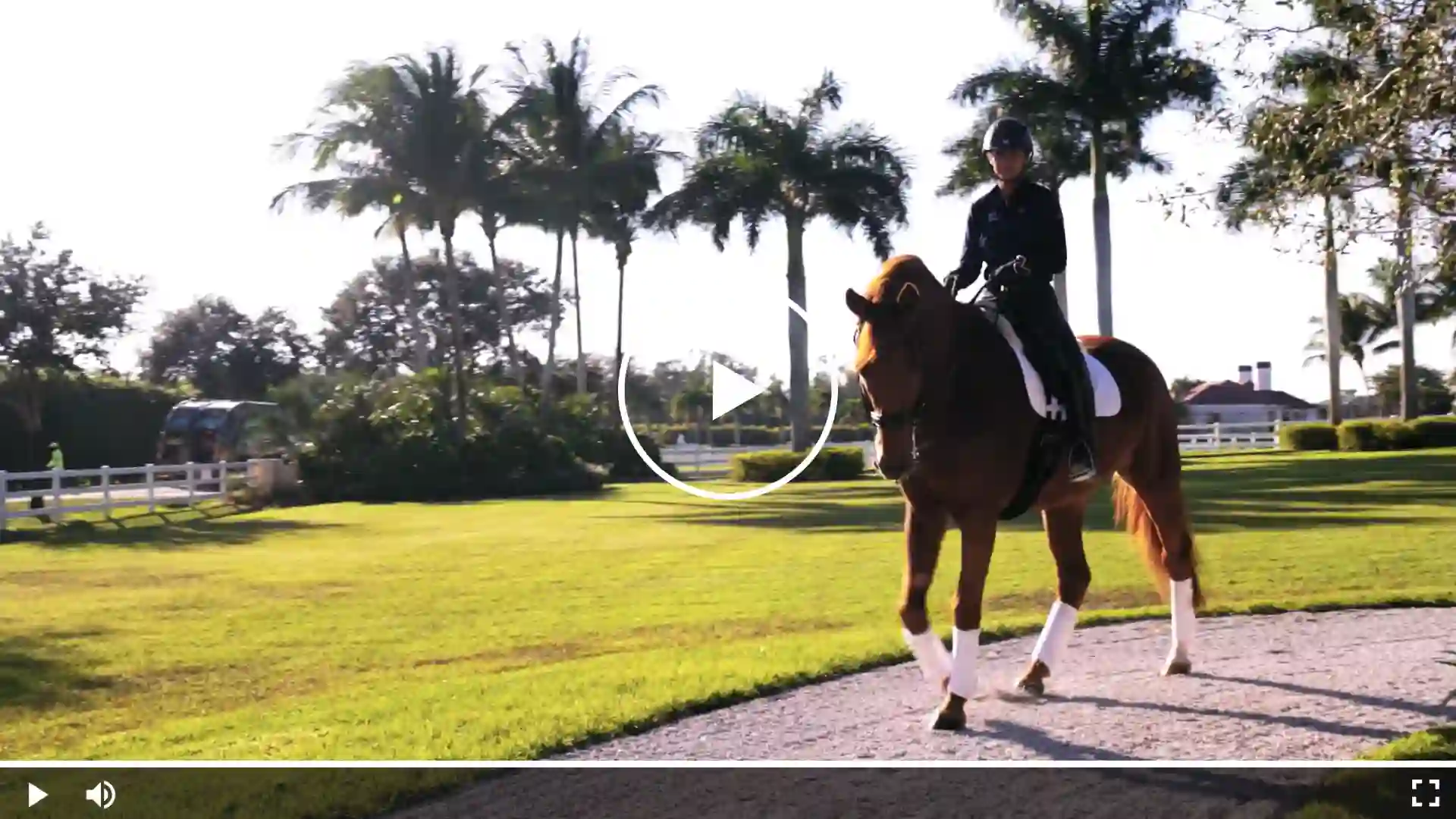
➡️ Watch: A Good Life for Horses – In Competition & Training with David O’Connor
How can we ensure horse welfare keeps pace with modern sport? Discover how training, competition rules, and the human-horse partnership must evolve to protect equine well-being, on and off the field.
Mental Health for the Competition Horse
A horse’s well-being is not limited to sound legs and a fit body. Mental balance is just as important when preparing for competition. Show environments are filled with stressors: transport, new stables, loudspeakers, crowds, and other horses. For some horses, this can be overwhelming and directly impact their performance.
Maintaining mental health means providing consistency. Horses thrive on familiar routines, regular feeding times, calm handling, and enough turnout or downtime between shows. Training sessions should build confidence rather than push horses into repeated stress. Signs of mental strain include tension, grinding teeth, pinned ears, or unusual resistance in exercises. Recognizing these early helps prevent escalation.
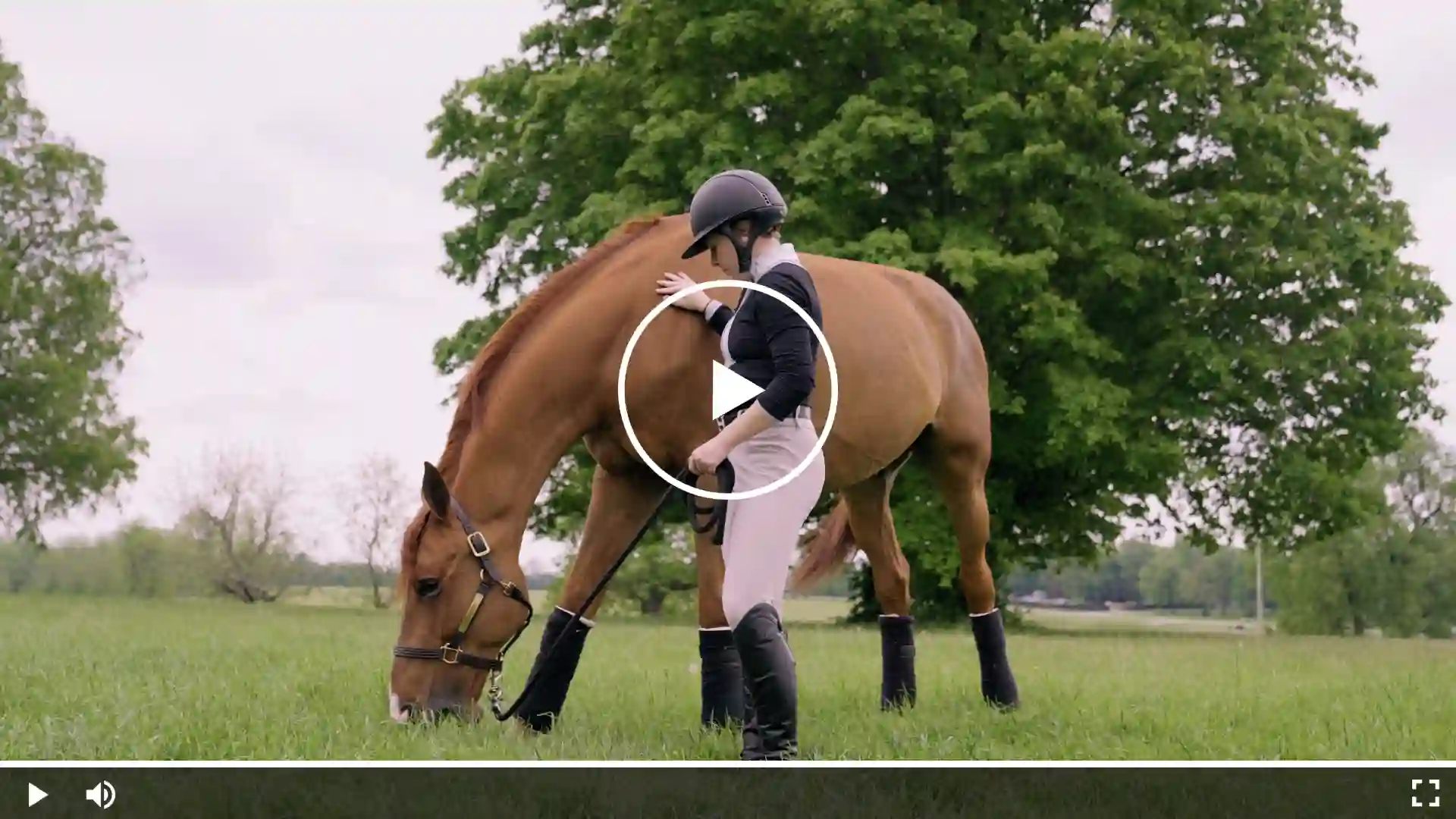
➡️ Video Tipp: How can you support your horse’s mental well-being in a demanding sport environment? This video highlights the importance of free grazing, rest, social contact, and engaging routines—all essential for a healthy mind and peak performance.
Feeding Before the Competition
When it comes to feeding before a show, the golden rule is: no sudden changes. Stick to your horse’s regular feeding schedule and avoid introducing new feeds or supplements right before the event.
On the day of the competition, allow at least two to three hours between feeding and riding, especially if the meal includes grains. Hay can be offered more freely to keep the digestive system calm. Make sure fresh water is always available, and consider adding electrolytes if the weather is hot or travel is long.
Competition Ready: The Most Important Questions and Answers
How do I prepare my horse for a horse show?
Prepare your horse with a structured training plan, regular flatwork, condition-building exercises, and practice sessions in show-like conditions. Make sure your horse is physically fit, mentally relaxed, well-groomed, and familiar with transport, warm-up arenas, and competition routines.
What should I pack for a horse show?
Essential horse show items include the horse passport, competition number, bridle, saddle, girth, saddle pads, grooming kit, hoof pick, fly spray, water bucket, hay net, first-aid kit, spare reins, and clean show clothing for the rider.
How early should I arrive at a horse show?
Plan to arrive early enough to unload calmly, check in, prepare your horse, and allow sufficient warm-up time. Many riders arrive at least one to two hours before their class, depending on the horse’s experience and the size of the venue.
How should I warm up my horse before a class?
A good warm-up should gradually loosen the horse, improve suppleness, and prepare it mentally for the test or course. Start with walk work, then include transitions, bending lines, and discipline-specific exercises such as dressage movements or a few relaxed jumps.
What should I do the day before a horse show?
The day before the show, clean your tack, pack your equipment, check travel documents, prepare feed and hay, groom your horse, and review your start time. Keep training light so your horse stays fresh and relaxed.
How can I keep my horse calm at a competition?
Maintain a familiar routine, allow enough time, avoid rushing, and give your horse opportunities to look around. Calm handling, regular breathing, and short breaks can help reduce stress in the warm-up area and at the showground.
What are common horse show preparation mistakes?
Common mistakes include overtraining shortly before the show, packing too late, arriving under time pressure, changing tack or feed at the last minute, and warming up too long or too intensely.
How do I prepare myself as a rider for a horse show?
Prepare by knowing your dressage test or jumping course, checking the rules, organizing your equipment, and creating a realistic time schedule. Mental preparation, focus, and calm routines are just as important as riding ability.
What should my horse eat before a competition?
Keep feeding as consistent as possible. Offer good-quality forage, avoid sudden feed changes, and make sure your horse has access to water. Concentrates should be adjusted to the horse’s workload and temperament.
How do I make a horse show checklist?
Divide your checklist into sections: documents, tack, grooming equipment, horse care, rider clothing, feed, first-aid items, and travel essentials. Preparing a checklist helps prevent forgotten items and reduces stress on show day.
You might also like