Connemara pony - origin, character and breeding
The Connemara pony is one of the biggest ponies in the world and comes from the rugged landscapes of Ireland. Known for its versatility and sure-footedness, it is suitable for sport and leisure. Find out more about the husbandry, diseases and uses of this extraordinary pony breed.
Table of Contents
Connemara Pony Profile
- Name: Connemara Pony
- Origin: Ireland, specifically the Connemara region
- Height: Between 128 cm and 148 cm
- Weight: Between 300 and 450 kg
- Colors: Mostly grey (mould), but bay, dun and black also occur
- Character: Intelligent, friendly, persistent, and strong-nerved
- Use: Versatile sport and leisure pony
➡️ Video tip: Connemara ponies — Intelligent, Brave and Ideal for All Equestrian Disciplines
The Connemara Pony impresses with its versatility, stamina and eagerness to learn. Sarah McRae Thrasher explains why this Irish pony breed is an ideal partner across many equestrian disciplines – and what makes it so special.

Connemara Pony origin and history
The Connemara Pony has its roots in the rugged and wild landscapes of Ireland’s west coast. The region of Connemara, from which the breed takes its name, is shaped by rocky hills, peat bogs, and barren grazing lands. In this challenging environment, an extremely hardy, sure-footed, and enduring pony evolved — a breed still valued today for its resilience and versatility.
The origins of the Connemara Pony date back centuries. As early as ancient times, small Celtic ponies are believed to have lived in Ireland, considered the ancestors of today’s breed. These early ponies were well adapted to the harsh conditions and served as workhorses for farmers and fishermen.
A significant chapter in the breed’s history came in the 16th century, when ships of the Spanish Armada sank off the Irish coast following a battle with the English. Surviving Spanish horses — likely noble Andalusians and Barbs — made it ashore in Connemara and bred with local ponies. This crossbreeding refined the native type, giving the Connemara Pony more expressive movement, a nobler appearance, and improved jumping ability.
Until the 19th century, the Connemara Pony was primarily used as a working animal. Farmers relied on it to carry heavy loads of peat and grain, while also using it as a reliable riding pony. Thanks to its strong back and powerful legs, it could easily carry adult riders — a trait the breed is still known for today.
During the Great Famine in the mid-1800s, the population of Connemara Ponies declined drastically, as many animals were sold or slaughtered. It wasn't until the early 20th century that the true value of the breed was rediscovered, leading to dedicated efforts to preserve and promote the Connemara Pony.
What does a Connemara Pony look like?
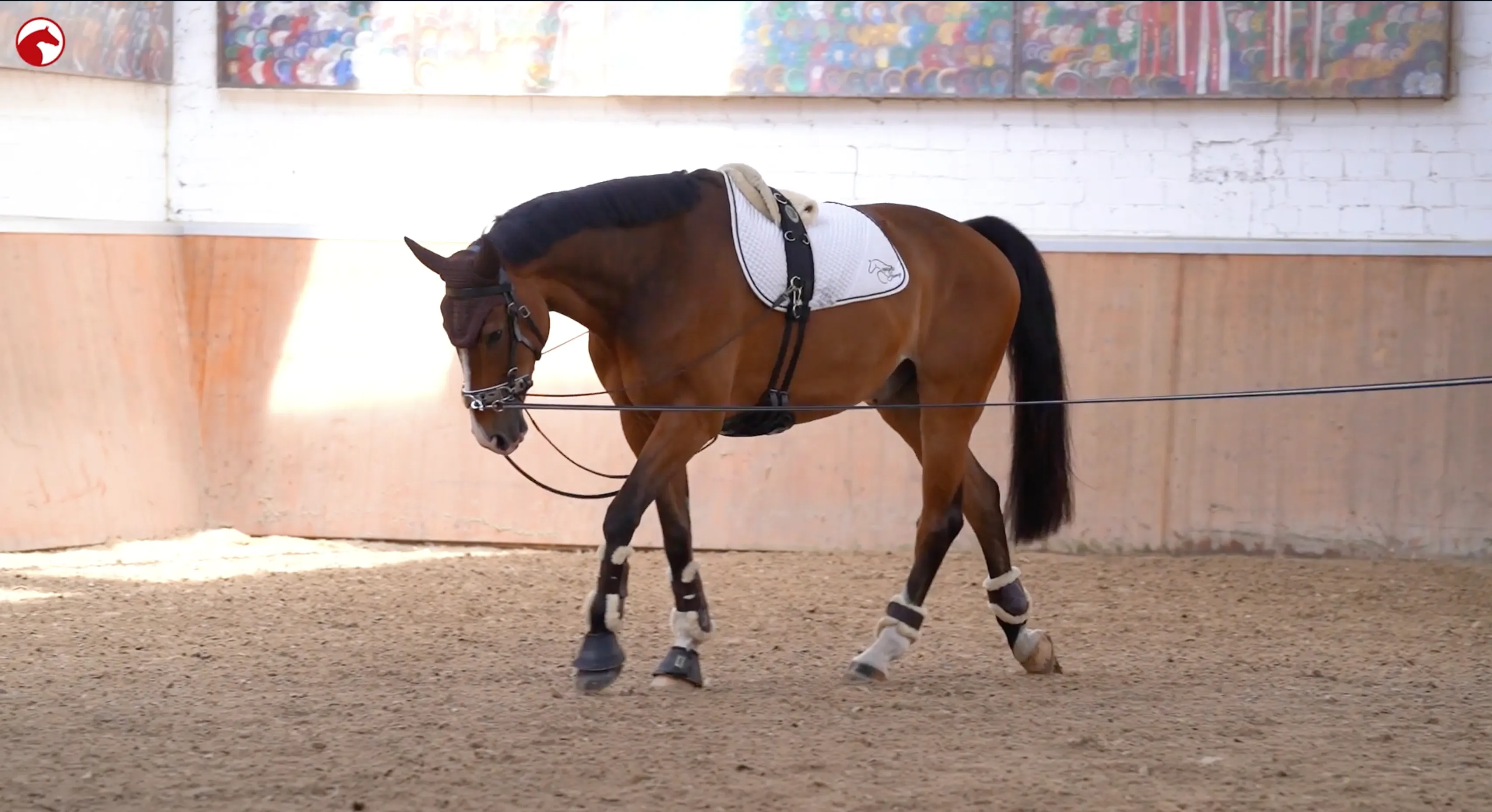
The Connemara Pony has a well-proportioned body that conveys both strength and suppleness. As one of the largest pony breeds, it features a harmonious, sporty exterior. Although classified as a pony, the Connemara often resembles a small warmblood and is well-suited for adult riders.
Key Conformation Features:
- Head: Refined shape with a broad forehead, large expressive eyes, and a typically straight or slightly concave profile
- Neck: Medium-length, well-set, and elegantly shaped
- Shoulders: Sloping and well-muscled, allowing for smooth and flowing movement
- Back: Short, strong, and weight-bearing – ideal for both adults and teenagers
- Hindquarters: Strongly muscled, giving the Connemara its notable jumping ability
- Legs: Dry and clean with strong joints and hard, durable hooves
Connemara Pony Size and Weight
The height of a Connemara Pony ranges from 128 cm to 148 cm, placing it at the upper end of the pony scale. Some individuals exceed 148 cm and are then classified as small horses.
Depending on size and build, a Connemara Pony typically weighs between 300 and 450 kg.
Typical coat colors of the Connemara Pony
Connemara Ponies appear in a variety of colors. The most common include:
- Grey (by far the most widespread)
- Dun
- Bay
- Black (rare)
- Dark chestnut and isabelline (very rare)
One notable feature of the breed is the absence of piebald or skewbald markings. This is a result of deliberate breeding practices that aim to preserve the breed’s traditional appearance.
Unique traits of the Connemara Pony
- Extremely durable hooves – often kept barefoot without issue
- Excellent sure-footedness – ideal for trail and eventing
- Natural elegance – also shines in dressage rings
- Strong hindquarters – delivering above-average jumping power
Connemara Pony Character
The Connemara Pony impresses not only with its elegant exterior, but also with its exceptional temperament. Known for its intelligence, friendliness, and versatility, it is a favorite among both leisure and sport riders.
What makes the Connemara Pony so special?
- Intelligent and eager to learn – Learns quickly and enjoys working with the rider
- Friendly and people-oriented – Builds close bonds and is usually very sociable
- Calm and courageous – Stays relaxed even in unfamiliar situations, ideal for hacking and trail riding
Uses of the Irish Riding Pony
The Connemara Pony is one of the most versatile pony breeds in the world. Originally bred as a hardy working pony in rural Ireland, today it shines in both recreational riding and competitive sport.
Show Jumping
With its well-developed hindquarters, the Connemara has remarkable jumping ability. It’s a popular jumping pony, often competing successfully against much larger horses thanks to its technique and agility.
Eventing
Many Connemaras also excel in eventing, showing courage and sure-footedness on both cross-country courses and in stadium jumping.
Dressage
While not bred specifically for dressage, the breed’s graceful movement, influenced by Spanish and Arabian bloodlines, allows it to perform well in the dressage arena too.
Leisure Riding
The Connemara is a balanced, reliable and friendly partner — ideal for long trail rides and relaxed training. Its calm nature and secure footing make it a popular pony for off-road and pleasure riders.
A Great Choice for Adults
Thanks to its strong build, sturdy legs, and high weight-carrying capacity, the Connemara Pony is an excellent option for adult riders. Many individuals measure up to 148 cm or slightly taller, placing them in the small horse category. This makes them suitable for taller riders in both sport and leisure use.
Is the Connemara pony suitable for beginners?
In general, yes. The Connemara is known for its patience and good nature, which makes it suitable for beginners. However, differences within the breed should be considered:
- Well-trained Connemaras are often ideal for beginners – they are calm, reliable and forgiving
- Young or spirited ponies may need an experienced rider for consistent training
Connemara Pony breed
The breeding of Connemara Ponies has been strictly regulated for decades to preserve the breed’s defining qualities. In Ireland, the breed’s homeland, high breeding standards are upheld and recognized worldwide. Breeding is now also well established in Germany, France, the USA, and Scandinavia, each with slightly different breeding focuses.
The Development of the Breed
As early as 1923, the first official Connemara Pony studbook was established in Ireland to document the breed and ensure quality. Since then, two main types have evolved:
- Traditional type – Compact, strong and highly robust with excellent sure-footedness
- Sport type – More refined and athletic, often called the Eastern Type, bred for competitive performance
Core Breeding Goals:
- Robust health and resilience – Suitable for various climates and conditions
- Powerful jumping technique – Essential for show jumping and eventing
- Good temperament – Friendly, calm and people-oriented by nature
- Correct conformation – A strong, well-balanced physique with durable joints
Breeding worldwide
If you're looking to buy a Connemara Pony, it’s essential to choose certified breeders who work according to the official breeding association guidelines.
- Ireland – Home to the breed’s origin and most traditional bloodlines
- Germany – Renowned studs like Connemara Pony Stud Violamboss produce versatile and powerful ponies
- France and Scandinavia – Focus increasingly on sportiness and competition traits
Management and Care
The Connemara Pony is naturally adapted to harsh weather and nutrient-poor pastures, thanks to its origins in the rugged Irish countryside. It thrives under simple, robust conditions, but proper management is still key to long-term health.
How should a Connemara Pony be kept?
The breed is ideal for year-round outdoor living, provided there is adequate shelter from wind and rain. Key points for species-appropriate care:
- Open or pasture-based housing – Plenty of space and fresh air preferred
- Daily movement – This is an active breed that needs room to roam
- Social contact – Naturally herd-oriented, it should never be kept alone
Feeding the Connemara Pony
With an efficient metabolism, the Connemara requires low-energy feeding. Overfeeding can lead to obesity and health issues.
- Forage: High-quality hay is the main component and should always be available
- Minerals: Important due to low concentrate feed requirements
- Grain feed: Only necessary for horses in intense training or with high energy needs
📖 Reading tip: Horse Feeding: Basics, Tips, and Common Mistakes!
Learn which nutrients your horse truly needs, how to match feed to its lifestyle, and which feeding mistakes to avoid –Read now!
Connemara Pony diseases
Laminitis
The Connemara Pony has a very efficient metabolism and is therefore highly sensitive to energy-rich feeding. Lush pastures and excessive grain intake significantly increase the risk of laminitis – a painful inflammation of the hoof laminae that can lead to sinking or rotation of the coffin bone.Proper feeding management and sufficient exercise are essential for prevention.
➡️ Video tip: Laminitis – When Every Step Hurts!
Learn from the experts at Tierklinik Karthaus about the causes, symptoms and risks of this serious condition — including the threat of hoof bone rotation or collapse. Valuable insights for protecting your horse’s long-term health!

Equine Cushing syndrome (ECS)
Senior Connemara ponies can develop Equine Cushing’s Syndrome (ECS) – a hormonal disorder caused by dysfunction of the pituitary gland. Typical symptoms include a long, curly coat, muscle wasting, and an increased risk of laminitis. Early diagnosis, combined with adjusted feeding and veterinary management, can help control symptoms and maintain quality of life.
➡️ Video tip: Learn how to prevent obesity, EMS, insulin resistance, cough, and Cushing’s syndrome through proper feeding. Discover effective diet strategies to support your horse’s metabolism and long-term health!

Osteochondritis Dissecans (OCD)
Fast-growing young horses may develop joint issues such as Osteochondritis Dissecans (OCD), a growth disorder that can lead to long-term lameness. A mineral-rich but not excessive diet during the growth phase, along with controlled exercise, are key preventive measures.
Chronic lymphedema (CPL)
Some Connemara Ponies may show a predisposition to CPL, a lymphatic disorder that causes skin thickening and swelling in the lower legs. Regular hoof care, movement and clean stable conditions help reduce the risk of developing CPL.
Melanomas in case of molds
As with many grey horses, Connemara Ponies are prone to developing melanomas with age. These benign or malignant skin tumors often appear under the tail, around the mouth or under the skin. Regular monitoring is essential to detect any changes early and seek treatment if necessary.
Connemara Pony – Frequently Asked Questions (FAQs)
How much weight can a Connemara Pony carry?
Thanks to its strong build and sturdy back, a Connemara Pony can comfortably carry up to 80 kg. Particularly tall and muscular individuals may even handle slightly more weight.
How much does a Connemara Pony cost?
Prices vary depending on bloodlines, training level, and age. While foals and young ponies are generally more affordable, well-trained leisure or sport ponies can be significantly more expensive.
How old does a Connemara Pony get?
The Connemara Pony is one of the most long-lived pony breeds. With proper care and management, many live to be 30 years or older, often remaining fit and rideable into old age.
What does a Connemara Pony look like?
This breed is one of the largest pony types, with a sporty and well-balanced physique. Key features include:
- A refined head with large, expressive eyes
- Sloping shoulders
- A strong, short back
- Powerful hindquarters
Common coat colors include grey, bay, dun, and black. Piebald or skewbald markings do not occur, as they are not permitted in the breed standard.
How big is the tallest Connemara Pony?
The official height range is 128 cm to 148 cm. However, some individuals exceed 148 cm and are then classified as small horses.
Where does the Connemara Pony come from?
The breed originates from the Connemara region in western Ireland. Over centuries, it evolved in a tough natural environment and was refined with Spanish and Arabian bloodlines, resulting in a versatile and resilient pony.
What are the characteristics of the Connemara Pony?
Connemara Ponies are known for their friendly temperament, intelligence, and willingness to work. They are generally calm, adaptable, and suitable for various purposes — from sport to leisure.
Is the Connemara Pony suitable for adults?
Yes! The Connemara Pony is an excellent choice for adult riders. Thanks to its strong frame, solid bone structure and reliable character, it offers a comfortable and capable ride even for taller or heavier adults.
Is the Connemara Pony good for beginners?
Generally, yes. The breed is considered gentle and well-balanced, making it a suitable partner for beginners. However, as with any breed, some individuals may have more spirit, so careful selection is advised.
Which disciplines suit the Connemara Pony?
The Connemara Pony is a true all-rounder. It excels in:
- Show jumping
- Eventing
- Dressage
- Trail riding and leisure activities
Its agility, rideability and sure-footedness make it a popular choice across disciplines.
You might also like