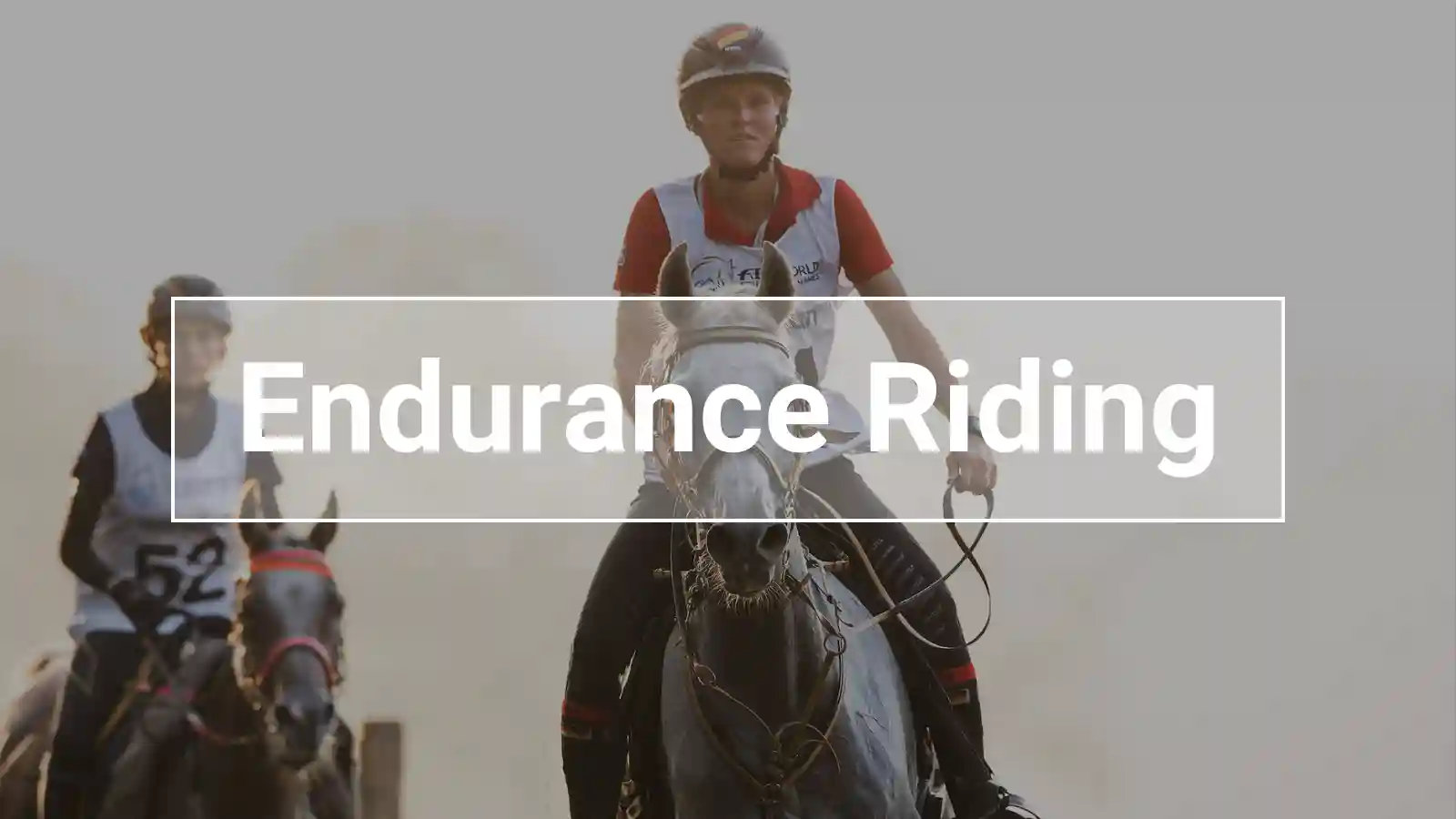
Endurance Riding: Everything You Need to Know
Endurance riding, also known as endurance, is far more than just a competition—it’s a partnership between you and your horse, built on trust, stamina, and mutual respect. In this article, we’ll not only explore the history and fundamentals of endurance riding, but also highlight key aspects such as equipment, training, health, and strategies for successful riding.
Table of Contents
What is endurance riding?
Endurance riding, also known as endurance, is an equestrian discipline focused on stamina and the ability of the horse-and-rider team to cover long distances. The goal is to ride set routes across different types of terrain while staying within specified time limits. Distances in endurance riding can range from 30 kilometers in beginner competitions to 160 kilometers in international events. Teamwork, solid fitness, and a close bond between horse and rider are key to success in this sport.
The importance of endurance riding in equestrian sport
Endurance riding is an equestrian discipline characterized by long-distance rides. It’s not just about speed, but also about the stamina and fitness of both horse and rider. For many, it’s a way of life that highlights a deep connection with the horse and nature. The challenge is to complete a set distance in the shortest possible time without endangering the horse’s health. The horse’s welfare always comes first, which is why veterinarians check the horses’ fitness at checkpoints. For riders, endurance riding also means strategic planning and a close relationship with the horse in order to meet the demands of often scenic routes.
History of endurance riding
Endurance riding, an equestrian sport with a focus on stamina, has a fascinating history. Originally, long-distance rides were part of everyday life in many cultures, used for courier services and military purposes. However, the modern sport did not emerge until the 20th century. In the United States, endurance rides became popular when the military wanted to test the riding ability and endurance of their cavalry horses. Over time, this evolved into an independent sport that is now recognized worldwide. Particularly noteworthy are the 160-kilometer races, which demand a high level of concentration and fitness from both horse and rider. The history of endurance riding shows how practical needs developed into a demanding sport discipline in which harmony between rider and horse is central.
Origins of endurance riding
Endurance riding has its roots in the historical need for people to travel long distances on horseback. This practice was essential for messengers, traders, and cavalry units to deliver news, conduct trade, or ride into battle. Over time, endurance riding developed into a recognized sport that tests both the horse’s stamina and the rider’s skills.
Development of the sport over time
Endurance riding has evolved significantly over the years. Originally started as a test for cavalry horses, it is now a popular competitive sport. In the beginning, races were relatively short and geared toward military requirements. Over time, distances became longer and rules were adapted to ensure the welfare of the horses. Modern competitions emphasize the importance of veterinary checks and strategic pacing. Technological advances, such as GPS and heart-rate monitors, help track and optimize performance. The endurance riding community has grown and developed into an international movement with organized events around the world.
Influence on other equestrian disciplines
Endurance riding has had a considerable influence on other equestrian disciplines. By emphasizing stamina and fitness, it has shaped training in disciplines such as eventing and trail riding. Riders learn from endurance riding how important gradual conditioning and attentive horse care are. These insights feed into daily routines and improve both performance and the horses’ well-being. The sport has also increased awareness of the importance of nutrition and hydration, which are central in all equestrian sports. As disciplines like endurance riding set standards, the entire equestrian world benefits from the insights gained.
Endurance riding equipment
Endurance riding requires specialized equipment to keep horse and rider safe and comfortable over long distances.
Horse equipment
In endurance riding, the right horse equipment is crucial. You want your horse to be able to cover long distances comfortably and safely. A well-fitted saddle is a must to prevent pressure points and chafing. The choice of bridle should also be matched to comfort and control during long rides. Don’t forget hoof protection such as hoof boots or shoeing, which protect your horse’s hooves on different surfaces. Boots can also help protect your horse’s legs from injury. Quality and fit are especially important here to ensure your horse’s health as well as a positive riding experience.
Rider equipment
The right rider equipment is essential for comfort and performance. You should opt for breathable clothing that allows freedom of movement while also protecting you from the weather. A well-fitting helmet, gloves for better grip, and comfortable riding breeches are essential. Choosing the right footwear is also important—it should provide secure support in the stirrup and also be suitable for any sections where you might need to run. Also check your safety gear regularly, and remember that your equipment needs to be not only functional but also comfortable over longer distances.
Special equipment requirements compared to other disciplines
Compared to other equestrian disciplines, the equipment needs to be especially durable yet lightweight to allow the horses to move freely. One essential difference is the saddle—it is designed to remain comfortable for both horse and rider even after hours out on the trail. The choice of hoof boots or shoeing is also important, as they must provide optimal hoof protection. Reflective equipment is often required, as endurance rides may take place in poor light conditions. In this sport, every small detail counts to help prevent fatigue and maximize performance.
Training basics for endurance riding
In endurance riding, stamina is everything. You should start with a slow, progressive conditioning program to gradually improve your horse’s basic fitness. It’s also important to adjust your horse’s nutrition to provide enough energy and nutrients. Regular veterinary check-ups are essential to monitor your horse’s health. Vary your training routes to keep motivation high, and always make sure you have suitable equipment that fits both you and your horse. Don’t forget mental training: get your horse used to different environments and situations to minimize stress during competitions.
Physical preparation of the horse
For endurance riding, your horse’s physical preparation is crucial. A gradual training plan is important to strengthen your horse’s stamina and muscles. Start with easy rides and slowly increase duration and intensity. Make sure your horse has a balanced diet and enough rest periods for recovery. Regular health checks by your veterinarian help identify problems early.
Mental training for horse and rider
Mental training is just as important in endurance riding as physical preparation. As a rider, you need to learn how to handle stress and keep a cool head even in difficult situations. Mental techniques such as visualization can help you prepare for the ride and mentally “ride through” the course. Your horse also benefits from a calm, focused presence. That’s why it’s important to build a strong bond with your horse and pay attention to its signals. Make sure to include relaxation exercises regularly—because a relaxed horse is a capable horse. And don’t forget: the mental connection between you and your horse can make the difference over long distances.
Training planning and periodization
In endurance riding, training planning and periodization are crucial to prepare your horse optimally for competitions. You start with base training to build stamina and muscle. This is done through slow, long sessions. After a few weeks, you then introduce faster work and interval training to improve your horse’s speed and recovery ability. It’s also important to schedule regular rest days so your horse can recover.
Over time, you gradually increase the distances of your training sessions. Shortly before the competition, you reduce training (tapering) so your horse is full of energy on the big day. Remember to ensure a balanced diet and sufficient fluid intake to maximize performance.
Health and horse welfare in endurance riding
The health and well-being of the horses is always the top priority. Endurance riding is about covering long distances, with the pace chosen so that the horse can complete the distance without harm. It is therefore essential to focus intensively on your horse’s fitness and nutrition.
Veterinary checks during the competition
🎥Video tip: Endurance riding: health and horse welfare come first!
Valerie Kanavy explains how regular veterinary checks and strict standards in endurance riding ensure that horses stay healthy even over distances of up to 100 miles. (Provided by the USEF Network, powered by ClipMyHorse.TV)
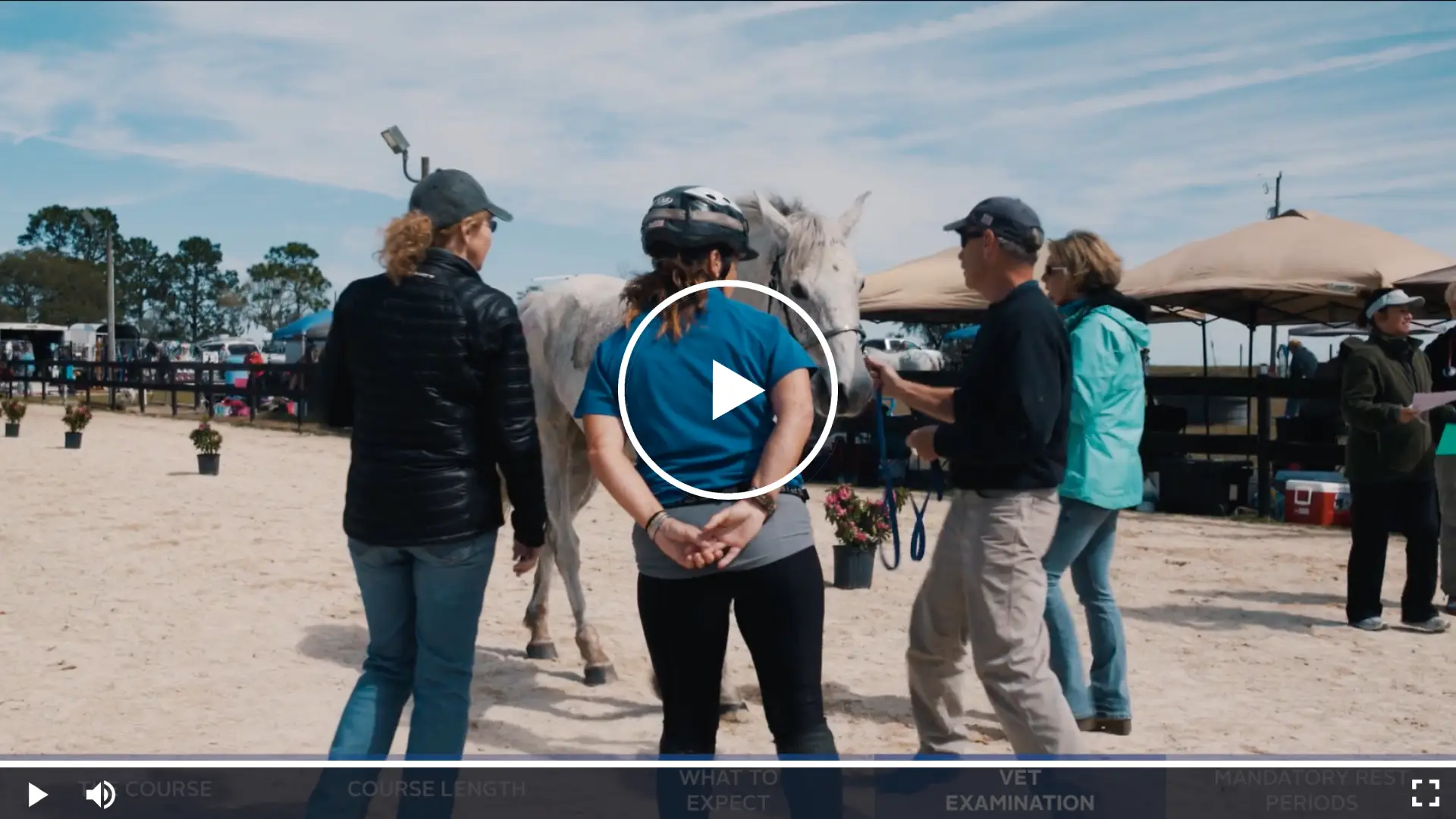
In endurance riding, veterinary checks are a crucial aspect of ensuring the horses’ health and welfare. During the competition, horses must pass several inspections in which veterinarians assess various health parameters. These include heart rate, temperature, and respiration, as well as dehydration and the horse’s overall level of fatigue. These checks help ensure that the horse can cope with the physical demands of long-distance riding.
It’s important as a rider to work closely with the veterinarians and pay attention to your horse’s signals. If any abnormalities are detected during a check, the horse may be withdrawn from the competition to avoid jeopardizing its health. The animals’ safety and well-being are always the top priority.
Horse care and nutrition
Make sure your horse receives a balanced diet that is high in energy but not too hard to digest. High-quality forage, supplemented with targeted concentrate feeds matched to the workload, forms the foundation. In addition, you can use electrolytes and vitamins to meet the increased demands of long-distance rides.
After training, groom your horse thoroughly and check for rub marks or pressure points, especially in the saddle and girth area. The hooves require special attention, as they are heavily stressed on long rides. Also remember to cool your horse down properly after strenuous rides to relax the muscles and support recovery.
Preventing overuse and injuries
In endurance riding, it’s important to prevent overuse and injuries. Always make sure your horse is well conditioned and can cope with the demands of the course. Regular training tailored to the distance and terrain is essential. Start slowly and increase intensity and distance step by step. Breaks during the ride are important to prevent overheating and fatigue. Also check your equipment regularly for fit and wear to avoid pressure points or chafing.
Strategies for successful endurance riding
If you want to be successful in endurance riding, the right strategy is key. First, your horse needs a solid base level of fitness. Breaks shouldn’t be underestimated—they help prevent exhaustion. Good ride management is also important. Check your horse’s heart rate and breathing regularly to keep an eye on fitness.
Tactics during the competition
During the competition, you should know your horse’s pace well and regulate it accordingly. Don’t start too fast, to conserve your horse’s energy. Also keep an eye on the route and terrain—on difficult footing, it’s important to adjust the pace to avoid injuries. Breaks should also be used tactically. Use them to care for your horse and prepare it for the next stage.
Handling different types of terrain
In endurance riding, handling different types of terrain plays an important role. You need to know your horse well and understand how it reacts to different surfaces. In forest areas, soft, springy ground is common and gentle on the horse’s legs—but watch out for roots and low branches. In contrast, open farm tracks can be hard and stony, which increases the risk of hoof injuries.
Riding uphill requires a lot of strength, so it’s important not to overface your horse and to take breaks. Riding downhill, on the other hand, requires good control to prevent slipping. Water crossings are often refreshing, but they can be slippery, so extra caution is needed here.
No matter the terrain, riding with foresight is always important to get both you and your horse safely through the course.
Time management and breaks during the race
You need to plan carefully when to increase the pace and when to give your horse a break. Breaks are not only important for the horse’s recovery, but also to successfully get through the veterinary checks. A smart rider knows that a well-timed race is often more successful than a fast one. Check your horse’s condition regularly and stick to a pre-set schedule to find the best balance between speed and recovery. This way, you ensure that you and your horse reach the finish—healthy and with the best possible time.
The most important endurance events worldwide
Some of the most significant events include the Tevis Cup in the USA, which offers a challenging 100-mile course every year. Another highlight is the Tom Quilty Gold Cup in Australia, which challenges riders and horses over 160 kilometers. The Florac in France and the European Championships also feature extreme distances and attract elite riders from all over the world. These events are a real adventure not only for participants but also for spectators, who can admire the impressive performance of the horses and the close bond with their riders.
Special features and traditions of the events
Endurance riding is not only an equestrian sport, but also a tradition full of special characteristics. Traditionally, routes are chosen to pass through varied landscapes, turning the sport into a true nature experience. The endurance riding community is known for its strong cohesion and mutual support. It’s not solely about competition, but also about consciously experiencing the route and the harmony between rider and horse. Especially on multi-day rides, there are often evening gatherings where experiences are shared and stories are told. These traditions enhance the unique atmosphere of endurance events and promote respectful treatment of the animals and nature.
Participation options for riders and spectators
Endurance riding doesn’t just inspire riders—it also offers exciting moments for spectators. As a rider, you can compete in different classes, from short beginner distances to multi-day rides covering hundreds of kilometers. Participation requires good preparation and a well-matched horse-and-rider team.
For spectators, there are numerous viewing points along the course to cheer on the riders. Many events also offer side programs with information stands and the chance to learn more about the sport. Whether actively in the saddle or as an enthusiastic spectator—endurance riding is an experience that celebrates community and a love of equestrian sport.
Endurance riding and environmental aspects
In endurance riding, it’s not only about stamina and teamwork between rider and horse, but also about the sport’s environmental responsibility. Since the routes run through natural landscapes, it’s important to keep the impact on the environment as low as possible. Endurance riders can contribute by choosing environmentally friendly equipment and selecting routes that protect flora and fauna. Leaving litter is absolutely taboo. With good planning and mindful use of resources, endurance riders can ensure their sport remains in harmony with nature.
Sustainability in endurance riding
Sustainability is becoming increasingly important in endurance riding. For you as a rider, this means not only focusing on your horse’s health and welfare, but also protecting the environment. This starts with choosing eco-friendly equipment and extends to minimizing the CO₂ footprint when traveling to competitions. For example, you can use products made from recycled materials and arrange carpools for shared travel. Event management can also be made more sustainable, for instance by using digital entry systems instead of paper. Every step counts in making endurance riding future-proof and environmentally conscious. Get involved in the community for sustainable practices and set an example for responsible resource use in endurance riding.
Handling natural resources during events
In endurance riding, the way natural resources are managed during events is especially important. You should always make sure to protect the environment. Here are a few tips on how you can do that:
- Use water sparingly: Fill water buckets only as much as necessary and avoid waste.
- Avoid trash: Bring reusable bottles and containers instead of single-use products.
- Protect trails: Stay on designated paths to avoid damaging nature.
- Use regional products: Support local providers and reduce your CO₂ footprint.
- Focus on energy efficiency: Use renewable energy for the event whenever possible.
With these simple measures, you can help ensure that endurance riding remains a positive experience—not only for you, but also for the environment.
Future developments in endurance riding
Endurance riding is continuously evolving, and the future promises exciting trends. With the integration of modern technology such as GPS tracking, it helps you plan your route precisely and stay on track during the ride, and heart-rate monitors allow riders and trainers to analyze horses’ performance even more accurately and tailor training plans individually. In addition, breeding may continue to advance toward horse breeds more specifically focused on endurance performance in order to meet the sport’s demands even better.
Sustainability is also gaining importance—whether through more environmentally friendly events or by promoting more species-appropriate keeping conditions. It is also conceivable that endurance riding will spread further as a recreational sport, with more leisure riders discovering the fascination of long-distance riding.
Virtual endurance events could also offer an alternative way to bring the community together despite physical distance. This keeps endurance riding a dynamic sport that continually embraces new challenges and strengthens the relationship between humans and horses.
Changes in rulebooks and event formats
Endurance riding is a dynamic sport that is constantly evolving. Changes in rules and event formats reflect the effort to make the sport fair and safe for both horse and rider. These adjustments ensure that both horse health and sporting competition remain the top priorities.
Updates can, for example, affect maximum speed, the distances of different classes, or rest periods between stages. Organizers are also experimenting with new formats to make the sport more attractive, such as introducing team competitions or night stages.
Forecast for the sport’s development in the coming years
Endurance riding is becoming increasingly popular and shows clear growth potential for the coming years. Forecasts suggest that the sport will continue to develop and diversify, with innovations in training techniques and equipment. The focus on horses’ health and welfare will become stronger, which could lead to improved competition conditions. It is also expected that the sport will be modernized through the use of technology such as tracking systems and performance-monitoring apps. With growing interest, larger sponsors may also become involved, which would drive the professionalization of endurance riding. Environmental aspects may also play a role, as routes and events are designed to be more eco-friendly. The endurance riding community will likely be more strongly connected through social media and online platforms, benefiting exchange and organization within the sport.
Conclusion
Endurance riding is a fascinating sport that requires stamina, teamwork between rider and horse, and strategic planning. It’s not just about speed, but also about the ability to manage your own energy and your horse’s energy correctly. The horse’s health always comes first, which is why knowledge of horse care and nutrition is essential. This sport strengthens the bond and trust between you and your horse and offers a unique adventure in nature. If you’re looking for a new challenge, endurance riding might be exactly the right thing for you.
Endurance riding: the most important questions and answers
How long can a horse canter continuously?
A healthy, well-trained horse can canter continuously for around 2 to 5 kilometers, depending on fitness and pace. For untrained horses, the canter should be kept shorter to avoid overloading.
How long can a horse canter continuously with a rider?
With a rider, the workload is higher. Therefore, most horses can canter at a moderate pace for around 1 to 3 kilometers before needing a break. However, this depends on the horse’s fitness and the rider’s weight.
How many kilometers can a horse cover in a day?
Well-trained horses can cover 30 to 50 kilometers per day at a mixed pace with sufficient breaks. Extremely well-conditioned endurance horses can cover up to 160 kilometers in one day under ideal conditions.
Which horses are suitable for endurance riding?
Horses with good stamina and a robust build are particularly suitable for endurance riding, such as Arabians, Part-Arabians, Anglo-Arabians, or sturdy crossbreeds. They are known for their ability to cover long distances efficiently.
What is endurance riding in Great Britain?
In Great Britain, endurance riding is known as “Endurance Riding.” It is a long-distance riding competition in which horse and rider are tested over distances of 40 to 160 kilometers in one day. The horse’s health and fitness are the main focus.
How do beginners start endurance riding?
Beginners should start with short distances of 10 to 20 kilometers to build fitness and confidence. Regular training, working with an experienced trainer, and taking part in smaller competitions are helpful.
Is endurance riding an Olympic sport?
No, endurance riding is not an Olympic discipline. However, it is governed by the Fédération Equestre Internationale (FEI) and has a large following worldwide.
Can Thoroughbreds do endurance riding?
Yes, Thoroughbreds can do endurance riding, but they need specific training. Due to their high energy and speed, they require targeted preparation to sustain longer distances.
How does endurance riding work?
In endurance riding, you cover a set distance within a certain time. It’s important to monitor the horse’s health regularly and maintain a steady pace. Preparation includes endurance training, adjusting feeding, and getting to know the route.
You might also like