Groundwork with Horses: How to build Trust, Strength, and Connection from the Ground Up
Groundwork is the foundation for a successful partnership between horse and human. We explore the different facets of groundwork and explain why it should be a non-negotiable part of every training plan.
Table of Contents
What is groundwork with a horse?
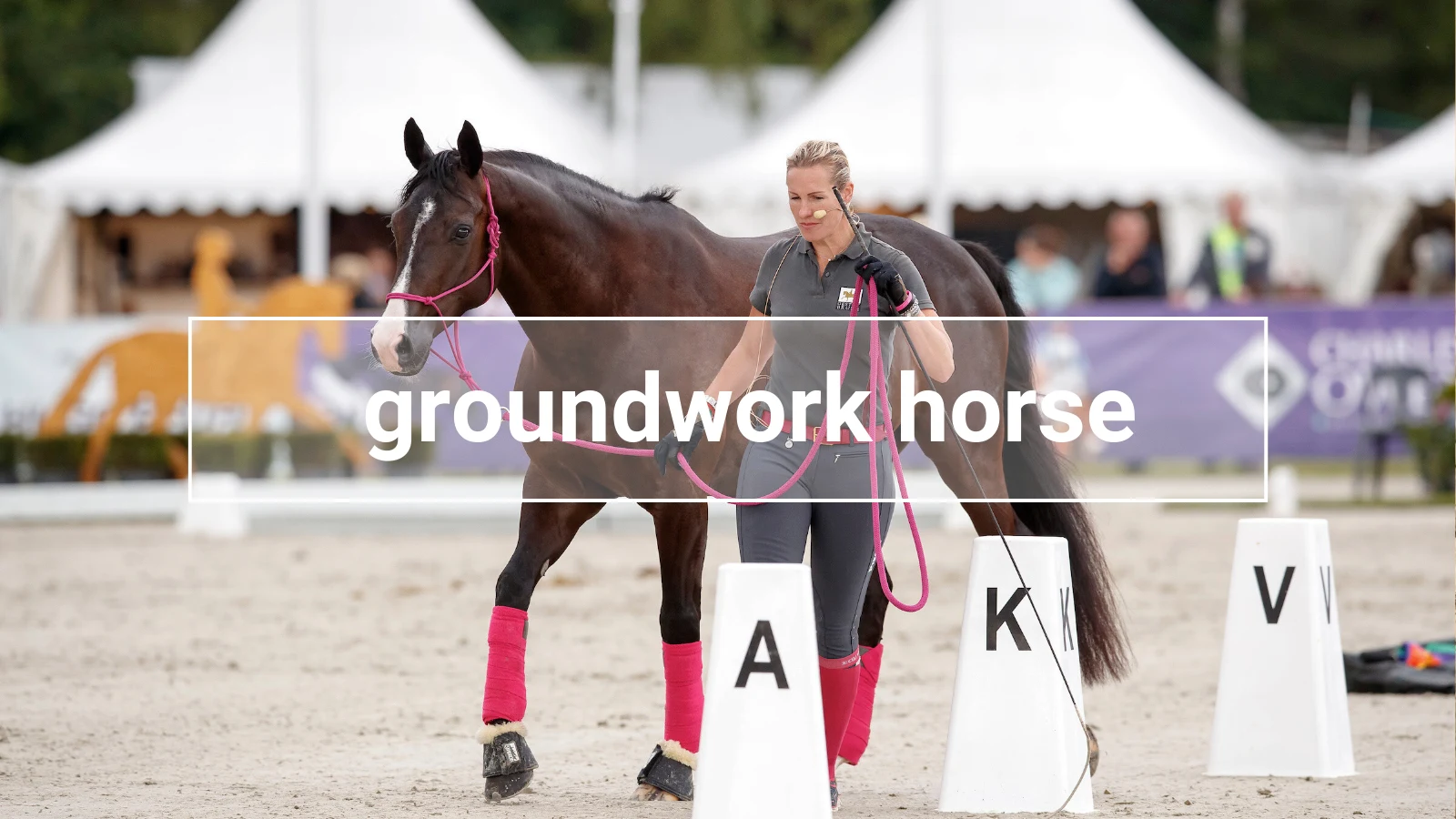
Groundwork with a horse is a broad term that covers a wide variety of activities. In simple terms, it includes everything you do with your horse from the ground. This doesn't only mean leading exercises, lunging, and work with the double lunge—it also includes classical in-hand work and the ever-popular liberty training.
Why groundwork matters for the horse-human relationship
Groundwork horse training is not just about physical exercises. It’s also a powerful tool to build trust, establish boundaries, and develop mutual understanding. When done correctly, groundwork creates a respectful, calm, and willing partner—on the ground and later under saddle.
Especially when training a young or green horse, groundwork lays the essential foundation for everything that comes later. From learning how to respond to subtle cues to gaining confidence in new situations, groundwork allows horses to grow mentally and emotionally alongside their physical development.
In short: Groundwork for horses is the key to building a strong, safe, and lasting connection between horse and rider.
Why is groundwork important for your horse?
Groundwork is an essential part of horse training and daily interaction. It offers a wide range of benefits that support both the relationship between you and your horse and your horse’s physical and mental development. Here are some of the key reasons why horse groundwork is so valuable:
What types of groundwork exercises are there?
Groundwork encompasses a wide range of training techniques and philosophies. The most well-known include lunging, long reining, and natural horsemanship. In the following sections, we explain the main types of groundwork for horses and how to use them effectively in your training.
Leading training
Leading work is the most fundamental form of groundwork and should be incorporated into daily routines. It teaches the horse to pay attention, respect personal space, and respond to commands.
- Maintain a consistent position at the horse’s shoulder
- Use clear body language to direct movement
- Practice frequent transitions: halt, walk on, change of direction
- A calm, confident tone helps establish trust
➡️ Watch This: Dr. Duncan F. Peters explains how to use lunging safely and effectively—not to exhaust your horse, but to support focus and movement before competition. Learn best practices for circle size, footing, and control to avoid injury and promote performance.
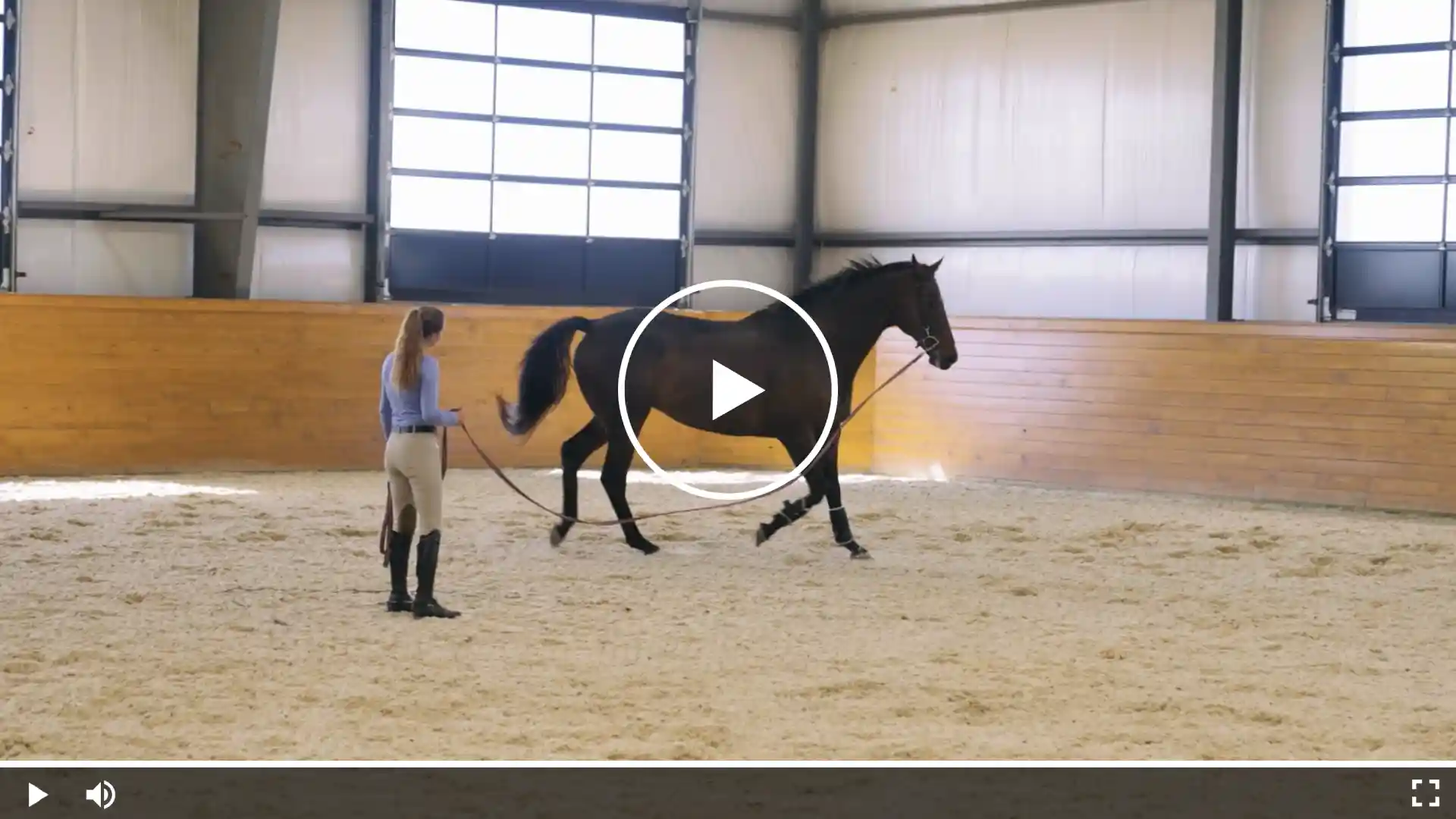
Classical in-hand work
Used to teach gymnastic exercises from the ground, especially in dressage.
- Allows precise work on lateral movements
- Develops balance and collection
- Reinforces responsiveness to aids
- Suitable for all training levels
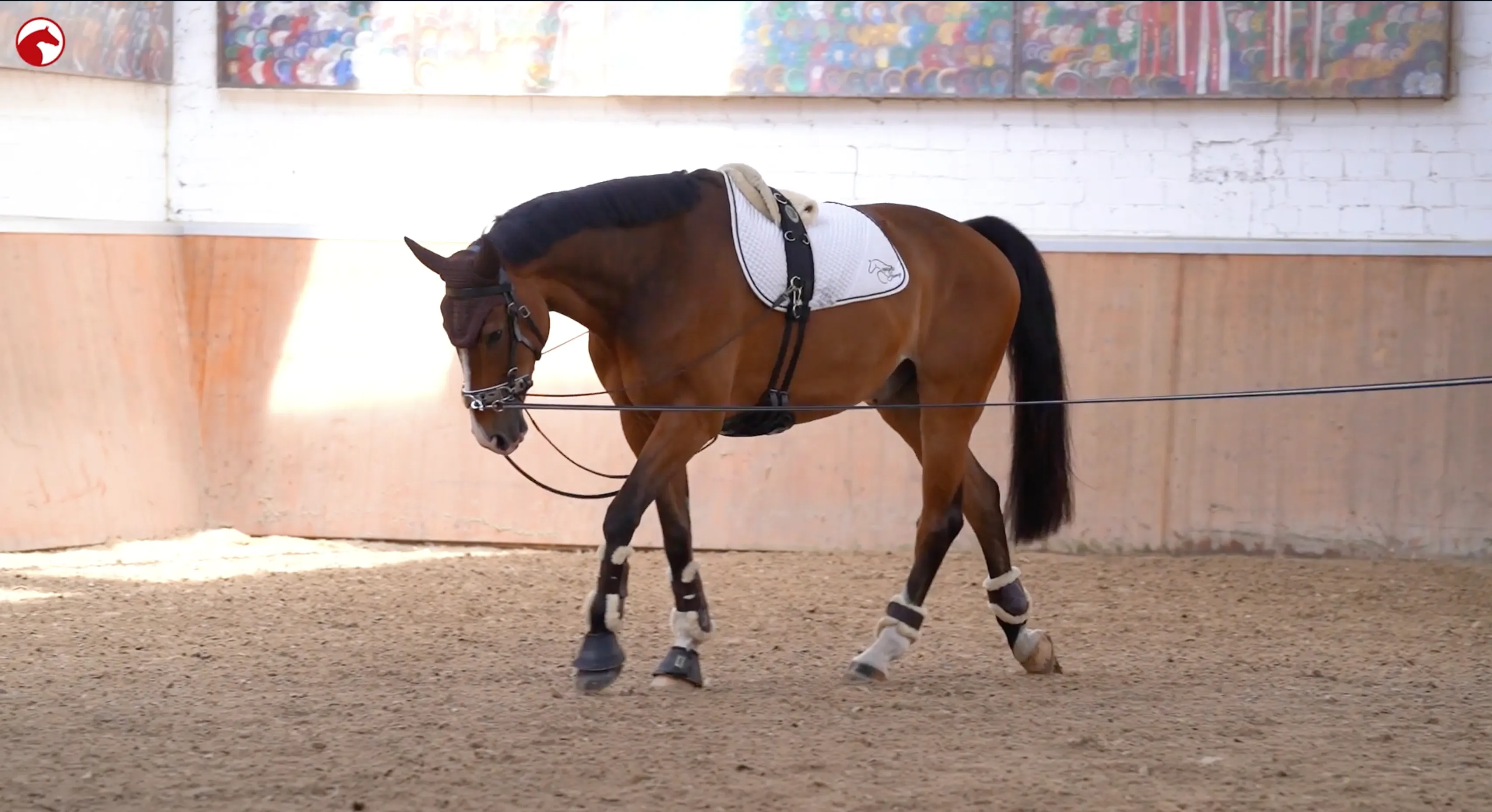
Long reining
An advanced technique where the handler works behind or beside the horse using long reins.
- Encourages self-carriage and independent movement
- Prepares for complex dressage exercises like piaffe or flying changes
- No rider weight involved
- Demands refined coordination from the handler
Desensitization and calmness training
Also known as spook training, this method improves your horse’s confidence in unfamiliar situations.
- Uses tarps, plastic bags, umbrellas, or noise objects
- Builds mental stability and stress resilience
- Improves focus in distracting environments
- Essential for trail riding and show preparation
Liberty work
In liberty work, the horse follows the handler freely, without ropes or halters.
- Trains responsiveness to subtle cues
- Deepens trust and connection
- Strengthens the horse’s self-awareness
- Can be used for creative or playful training
Trick training and circus exercises
These exercises bring fun, variety, and physical benefit to the training.
- Includes Spanish walk, bow, or rearing on command
- Improves flexibility, coordination, and motivation
- Encourages precise responses to cues
- Builds self-confidence in the horse
Obstacle work and trail training
Combines groundwork and desensitization to improve the horse’s coordination and courage.
- Includes poles, bridges, cones, and narrow passages
- Boosts body control and careful foot placement
- Teaches the horse to stay calm and attentive
- Suitable for all experience levels
Double-lunging
A method developed by Michael Geitner using colored poles to activate both brain hemispheres.
- Enhances coordination and symmetry
- Stimulates mental focus
- Promotes even muscle development
- Often used with ground poles and cones
Natural horsemanship
A philosophy based on the horse’s natural instincts and herd behavior.
- Uses body language for communication
- Encourages voluntary cooperation
- Builds deep respect and understanding
- Popular methods include Join-Up or Parelli’s Seven Games
What equipment do I need for groundwork?
To get started with groundwork training for horses, you don’t need fancy tack—but a few essential tools make your sessions safer and more effective. Good groundwork equipment for horses supports communication, comfort, and control.
Here’s what you need:
The right halter for groundwork
The two most popular options for groundwork horse training are:
Groundwork rope vs. longe line
Groundwork stick (horsemanship stick)
A groundwork stick or horsemanship stick acts as an extension of your arm. It’s firmer and longer than a dressage whip and is crucial in natural horsemanship and liberty training.
- Uses: Directing movement, increasing energy, defining space
- Best for: Horse groundwork exercises like yielding, moving shoulders or hindquarters
- Always use it as a communication aid—not for punishment.
Gloves
Protect your hands, especially when handling a young or unpredictable horse. Look for:
- Non-slip material
- Flexible grip for good rein or rope control
- Durable and breathable fabric
Positive reinforcement – Treats
Treats can be effective rewards, especially during new or challenging tasks.
- Tip: Use them sparingly to encourage focus, not demand
- Best for: Reinforcing calm behavior in desensitization training and rewarding effort
Optional tools for advanced groundwork
Depending on your goals, additional tools can enhance your sessions:
- Cavaletti poles for coordination and strength
- Traffic cones or pylons for agility and steering
- Ground tarps or mats for confidence-building
- Clickers or targets for positive reinforcement systems
- Long reins (double lines) for advanced in-hand and driving work
Groundwork for beginners – first steps
Starting groundwork with a horse can feel overwhelming at first, but with the right approach, it becomes a rewarding part of your training routine. To build a strong foundation, it’s important to understand how horses learn and how you can communicate effectively from the ground.
Horses are flight animals by nature. They instinctively react to uncertainty or pressure with avoidance or movement. However, they also learn quickly through consistency and positive experiences. The key to horse groundwork for beginners is:
- Clear signals and consistent body language
- Short, focused training sessions (5–10 minutes)
- Repetition and routine
- Positive reinforcement through praise or treats
By working with these principles, your horse will gain confidence, learn to trust you, and begin to understand what is being asked.
Five basic groundwork exercises to get started
These simple horse groundwork exercises are ideal for beginners. They help establish respect, attentiveness, and good communication between you and your horse.
1. Stop and go
This exercise teaches your horse to stop and move forward based on your body signals.
- Walk next to your horse in a calm rhythm
- Stop – your horse should stop with you
- Walk on – your horse should follow your lead
- Use voice cues if needed at the beginning
Goal: Improved focus and reaction to your movements.
2. Backing up
A useful tool to establish personal space and sharpen your horse’s responsiveness.
- Stand in front of your horse
- Use a gentle cue (pressure on halter or body movement)
- Reward each step back, especially early on
Tip: Keep sessions short, as backing up requires concentration and coordination.
3. Changing direction
This teaches the horse to stay connected to your signals when switching directions.
- Let the horse move around you in a circle
- Step backward, draw the horse toward you
- Guide it into the opposite direction around you
A groundwork stick or your hand can be used to indicate direction.
4. Yielding sideways
This improves body awareness and prepares the horse for lateral movements under saddle.
- Position your horse next to a barrier (fence or pole)
- Ask for sideways steps using body language or light pressure
- First move the front end, then the hindquarters
- Gradually reduce aids as your horse understands the task
Train on both sides to ensure balance.
5. Respecting distance
A step toward liberty work and greater independence in communication.
- Repeat familiar exercises with increasing distance
- Gradually release the rope and observe your horse’s reaction
- Encourage your horse to follow your signals freely
Goal: A horse that respects your space and responds without direct contact.
Groundwork for Advanced Horses
Once your horse has mastered the basics, you can begin introducing more advanced groundwork exercises that not only promote physical development but also deepen concentration and strengthen your bond. The focus now shifts to gymnastic work, collection, and liberty training.
1. Lateral movements (e.g., shoulder-in or haunches-in)
- How it works: Teach your horse to move laterally in response to cues from the ground. Start in-hand, and later increase the distance.
- Goal: These movements increase flexibility, coordination, and help you engage the hindquarters more effectively.
2. Target training for precise positioning
- How it works: Train your horse to touch or stand on a target with a specific body part (e.g., hoof on a mat).
- Goal: Improves spatial awareness, precision, and mental focus.
3. Liberty work with gaits and patterns
- How it works: Work without halter or rope. Guide your horse through different gaits, tempo changes, and figures like circles or serpentines using only body language.
- Goal: Develop trust, connection, and responsiveness without physical restraint.
Long Rein Work for Experienced Riders
Long rein work is an advanced form of groundwork for horses that requires refined cues and precise coordination. It is especially useful for riders who want to train their horses at a high level without rider weight.
- Objective: The long reins allow the rider to practice collection, engagement of the hindquarters, and even high-level dressage movements like piaffe, passage, or flying changes from the ground.
- Advantages: Because the handler works behind the horse, the horse moves with more self-awareness and learns to carry itself without being physically influenced by a rider’s weight.
- Requirements: Long rein work demands excellent knowledge of rein aids and a well-balanced horse. It’s best suited for advanced horses and experienced handlers with good coordination and timing.
Liberty Work with Complex Exercises
Liberty work is considered the pinnacle of horse groundwork. It requires deep mutual trust, respect, and a strong emotional connection. The horse works without any physical attachment and responds only to the handler’s body language and energy.
Challenging liberty exercises include:
- Free lunging: The horse circles the handler with no rope, guided solely by positioning and body language.
- Backing up from a distance: Teaches the horse to stay tuned into your cues even from far away. It promotes self-control and focus.
- Lateral movements in liberty: Advanced horses can perform lateral exercises like shoulder-in or travers without a lead rope or halter.
Goals of liberty training:
This type of horse groundwork promotes your horse’s willingness to work, builds mental stamina, and encourages attention and body control. It also creates a strong partnership built on subtle signals and mutual respect.
FAQ: Groundwork with Horses
What groundwork should I do with my horse?
Start with the basics: leading exercises, yielding the hindquarters, backing up, and desensitization. These build trust, body awareness, and attentiveness.
How long should you do groundwork with a horse?
For young or untrained horses, 20–30 minutes per session is ideal. With experienced horses, 10–15 minutes as a warm-up or mental reset can be sufficient.
What are free ground exercises for horses to build muscle?
Liberty work in a round pen, pole work on the lunge line, and transitions (walk-trot, trot-canter) improve strength, balance, and coordination without equipment.
How do I start groundwork with my horse?
Begin in a quiet environment. Use a halter and lead rope to teach your horse to stop, go, back up, and yield to pressure. Focus on calm, consistent cues.
What is a groundwork exercise to get your horse to respect you?
Yielding the hindquarters is a key exercise—it establishes your role as leader and encourages attentiveness without intimidation.
How often should you do groundwork with your horse?
2–4 times per week is ideal, especially if you're working on behavior or relationship issues. Groundwork can also be a valuable warm-up before riding.
What are flatwork exercises for horses?
Flatwork includes transitions, circles, lateral movements (e.g. leg-yield), and changes in tempo or direction—all from the ground or saddle—to improve balance and responsiveness.
What training exercises can you do with your horse?
In-hand work, lunging with transitions, obstacle courses, pole work, and liberty training offer both physical and mental stimulation for your horse.
You might also like