Tooth changes in young horses — Everything you need to know
Between 2.5 and 6 years of age, horses change their baby teeth for permanent teeth. During this phase, problems often arise that can affect feeding, health, and education. Find out here how to optimally support your young horse when changing teeth — with tips on nutrition, homeopathy and dental checks.
Table of Contents
Teeth change in horses in Horses – A Critical Phase in Young Horse Development
Tooth eruption and replacement in horses is a fascinating yet delicate stage of development. It affects all young horses between the ages of 2 and 6 years and plays a crucial role in overall health, comfort, and training success. Because this phase coincides with starting under saddle and the early stages of training, it’s essential for owners to understand what’s happening inside the horse’s mouth.
This article explains the timeline of dental changes, common problems, impact on training, feeding advice, and complementary approaches such as homeopathy during the dental transition.
What does tooth change mean for horses? – Definition and explanation
Tooth replacement refers to the phase during which a horse’s deciduous (baby) teeth are gradually replaced by permanent teeth. Foals are born with a set of 24–28 milk teeth, and by around 2.5 years of age, the permanent teeth begin to erupt — a process that continues until approximately the 6th year.
By the end of this process, an adult horse typically has 36–44 teeth, depending on factors such as sex (e.g., presence of canine or “tusk” teeth in stallions and geldings) and the presence of wolf teeth (vestigial premolars).
Teeth change – A Detailed Timeline
Many horse owners wonder: When exactly does a horse change its teeth?
The answer: Gradually, with each type of tooth having a specific age window for replacement.
Between the ages of 2.5 and 4.5 years, horses undergo the most intensive dental changes. Multiple teeth are erupting or being replaced at the same time, which can make chewing difficult and may cause pain or discomfort.
Common Problems During Teeth change
- Retained Caps: Remnants of deciduous teeth ("caps") that fail to shed properly and sit on top of the erupting permanent teeth. These can cause pressure, pain, or even inflammation.
- Wolf Teeth: Small vestigial teeth located just in front of the first upper molars. Though tiny, they can interfere with the bit and cause sensitivity when ridden, especially if not removed.
- Eruption Bumps (Eruption Cysts): Firm swellings on the lower jaw, often visible during the eruption of molars. These are generally normal, though they may be sensitive to touch.
- Jaw Fractures or Dental Misalignments: Rare but possible, especially between ages 3 and 4 when many permanent teeth are erupting. Improper development can lead to malocclusion or even micro-fractures in the jawbone.
- Behavioral Changes: Signs such as head tossing, bit evasion, loss of appetite, resistance to bridling, or general irritability under saddle may indicate dental discomfort.
Nutrition During the Teeth change Phase
Feeding management is crucial during this developmental stage. Young horses require:
- Adequate energy and protein for growth
- Essential minerals (especially calcium, phosphorus, magnesium) for bone and tooth development
- Sufficient vitamins to support immune and metabolic functions
At the same time, feed must be adapted to the horse’s reduced chewing ability. Soft, easily digestible forages and mash-style concentrates may be preferable during sensitive phases.
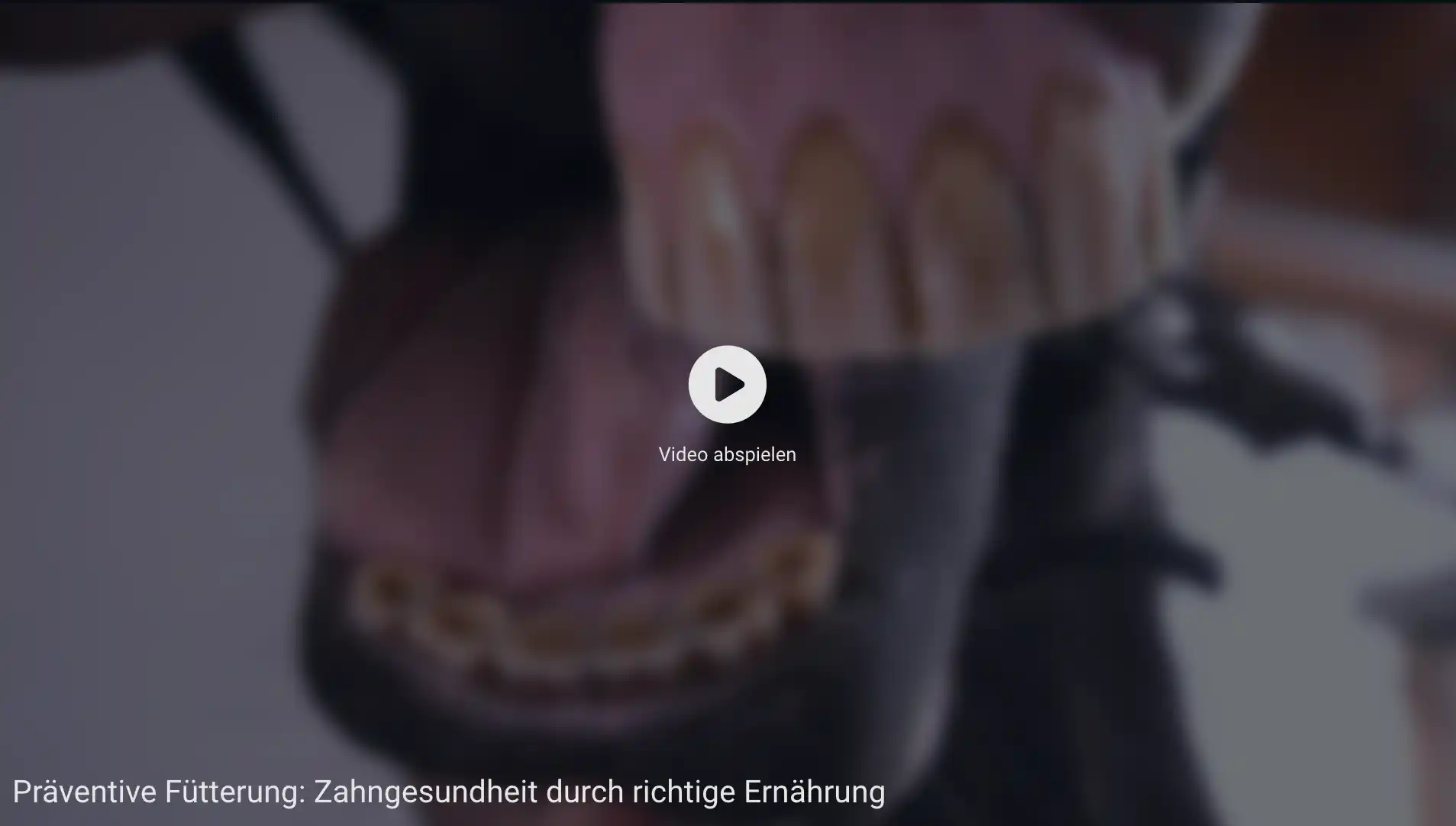
Basic Feeding Guidelines During Tooth Replacement
Forage First – But Adjust When Needed
Young horses require plenty of fiber-rich forage, such as high-quality hay. However, during the tooth replacement phase, long-stemmed hay may become difficult to chew.
Tip: If the horse drops food or “chews in circles” (quid chewing), consider soaking hay cobs or hay pellets to make chewing easier and reduce discomfort.
Adapt Concentrates
Hard grains like oats or textured feeds may cause issues, especially during incisor replacement.
Better options:
- Easily chewable, soaked feeds like mash
- Specialized young horse feeds with soft textures and balanced nutrients
Minerals Are Essential
To support tooth development, the diet must include:
- Calcium
- Phosphorus
- Vitamin D
A balanced mineral supplement formulated for young horses is essential during this phase.
Protein Supply
High-quality protein supports tooth formation and bone density.
Recommended sources include:
- Alfalfa (lucerne)
- Soybean meal
Forage Texture Matters
Avoid excessively coarse roughage. Very hard straw or low-grade hay may worsen dental issues or cause oral injuries during tooth eruption.
Common Signs of Feeding Problems During Tooth Replacement
- The horse selects feed, drops it, or shows quid chewing
- Weight loss despite adequate rations
- Colic-like symptoms due to poorly chewed feed and digestive discomfort
Proper nutrition is therefore a cornerstone in preventing dental issues during this period.
Tooth Replacement and Training
The dental transition phase often overlaps with the early training period (ages 3–4), leading to potential challenges:
- Young horses may be sensitive in the mouth
- A poorly fitted bit can exacerbate discomfort
Solutions:
- Temporary bitless training
- Training breaks during intense dental changes
- Use of a gentle bit with careful hands
Many trainers recommend a cautious and flexible training approach, especially around the horse’s 3rd and 4th birthdays, when dental activity peaks.
Support Through Homeopathy (Complementary)
Alongside regular dental care, homeopathic remedies may offer gentle support:
- Chamomilla – For irritability and pain
- Calcarea phosphorica – Supports bone and tooth development
- Belladonna – For acute inflammation or swelling
⚠️ Always consult a qualified veterinarian or equine homeopath before use. Homeopathy should complement, not replace, professional dental care.
Practice Insights – What Horse Owners Observe
Many owners report that during tooth replacement, their horses may:
- Eat less or drop feed
- Experience weight fluctuations
- Show increased sensitivity under saddle
Checklist for Horse Owners
- Initial dental exam between 1–2 years of age
- Semi-annual dental checks during the transition phase (up to age 6)
- Adjust feed: soaked hay cobs, mineral support, soft-textured concentrates
- Monitor behavior: head tossing, feed dropping, training resistance
- Contact a veterinarian immediately if problems arise
Summary: Tooth Replacement in Horses
Tooth replacement in young horses is more than a biological phase—it significantly impacts overall health, training success, and long-term performance.
Understanding the timeline, ensuring appropriate nutrition, and performing regular dental checks provide the best foundation for a healthy, capable adult horse.
A thoughtful management approach helps prevent:
- Feed loss
- Training issues
- Chronic dental disorders
…and sets the stage for a lifetime of equine vitality and partnership.
FAQ: About Tooth Replacement in Horses
When does the tooth replacement process start in horses?
Tooth replacement typically begins around 2.5 years of age. At this point, the deciduous central incisors (also called “pinchers”) start to fall out and are replaced by permanent incisors. The first premolars also begin to change around this time. The full transition is usually complete by 5 to 6 years of age.
At what age is the tooth replacement completed in horses?
The age at which tooth replacement is complete can vary slightly depending on the horse’s individual development. By 6 years old, most horses have all permanent incisors, molars, and in many cases, canine (tusk) teeth. At this point, the horse is referred to as having a “full mouth”.
How can you recognize tooth replacement issues in young horses?
Common signs include:
- Dropping feed (also called “quidding”)
- Weight loss despite normal feed intake
- Head tossing or tilting the head when ridden
- Excessive salivation
- Resistance when bridling
- Firm swellings (“bumps”) on the lower jaw caused by erupting teeth
Can homeopathy support the tooth replacement process in horses?
Yes, some owners use homeopathic remedies as a complementary approach. Common remedies include:
- Chamomilla for pain and irritability
- Calcarea phosphorica to support tooth and bone development
- Belladonna for acute inflammation
However, homeopathy does not replace professional dental examinations by an equine veterinarian or equine dental technician.
What role does nutrition play during tooth replacement?
Proper nutrition can greatly ease the transition. Key considerations:
- Soaked hay cobs or hay pellets if chewing long-stem hay becomes difficult
- Mineral supplements designed for young horses with calcium, phosphorus, and vitamin D
- High-quality protein (e.g. alfalfa) to support bone and tooth development
- Easily digestible concentrate feeds, such as mash or soaked grain blends
Should young horses be started under saddle during the tooth replacement phase?
Yes, but with caution. The mouth is particularly sensitive during this time, so training should be adjusted accordingly. Many trainers recommend:
- Bitless work during critical dental phases (around 3–4 years old)
- Use of a gentle bit with soft hands
- Training breaks when needed to avoid discomfort
How often should a horse’s teeth be checked during the replacement phase?
Ideally, every 6 months by a qualified equine dental practitioner or veterinarian. The most critical period is between 2.5 and 5 years of age. Early and regular check-ups can help prevent lasting dental issues.
You might also like