The Right Equipment for Horse and Rider
What do you actually need for horse riding – and why is it so important? In this guide, you’ll get a clear overview of the basic equipment for rider and horse: from helmet to halter, from saddle to stable first-aid kit. Ideal for beginners, riders changing disciplines, and anyone who wants to get started safely and in a horse-friendly way.
Table of Contents
Why is good equipment important?
The right equipment for horse and rider is far more than just a question of style or comfort – it is the basis for safe, horse-friendly and harmonious riding. Especially for beginners, it is crucial to understand from the very start why certain pieces of equipment are essential and what really matters when choosing them.
A poorly fitting riding helmet cannot do its job in the event of a fall – and an ill-fitting saddle not only causes pain for the horse, but also interferes with the rider’s aids and balance. Conversely, well-fitted equipment supports the partnership between horse and rider, builds trust and allows for clear communication in the saddle.
It is also about safety, health and enjoyment of learning: riders who feel comfortable in the saddle can focus better on technique, rhythm and body awareness. Horses that are supported with correctly fitted bridles and regular care have the best foundation to be motivated and willing to perform.
In short: the right equipment protects, connects and improves things – for both sides.
What does the rider need?
Anyone starting out in riding quickly faces the question: what do you actually need for horse riding? There is a huge range of clothing and equipment – but not everything is necessary right away. At the beginning, the focus is on safety, freedom of movement and functionality.
Riding helmet – essential head protection
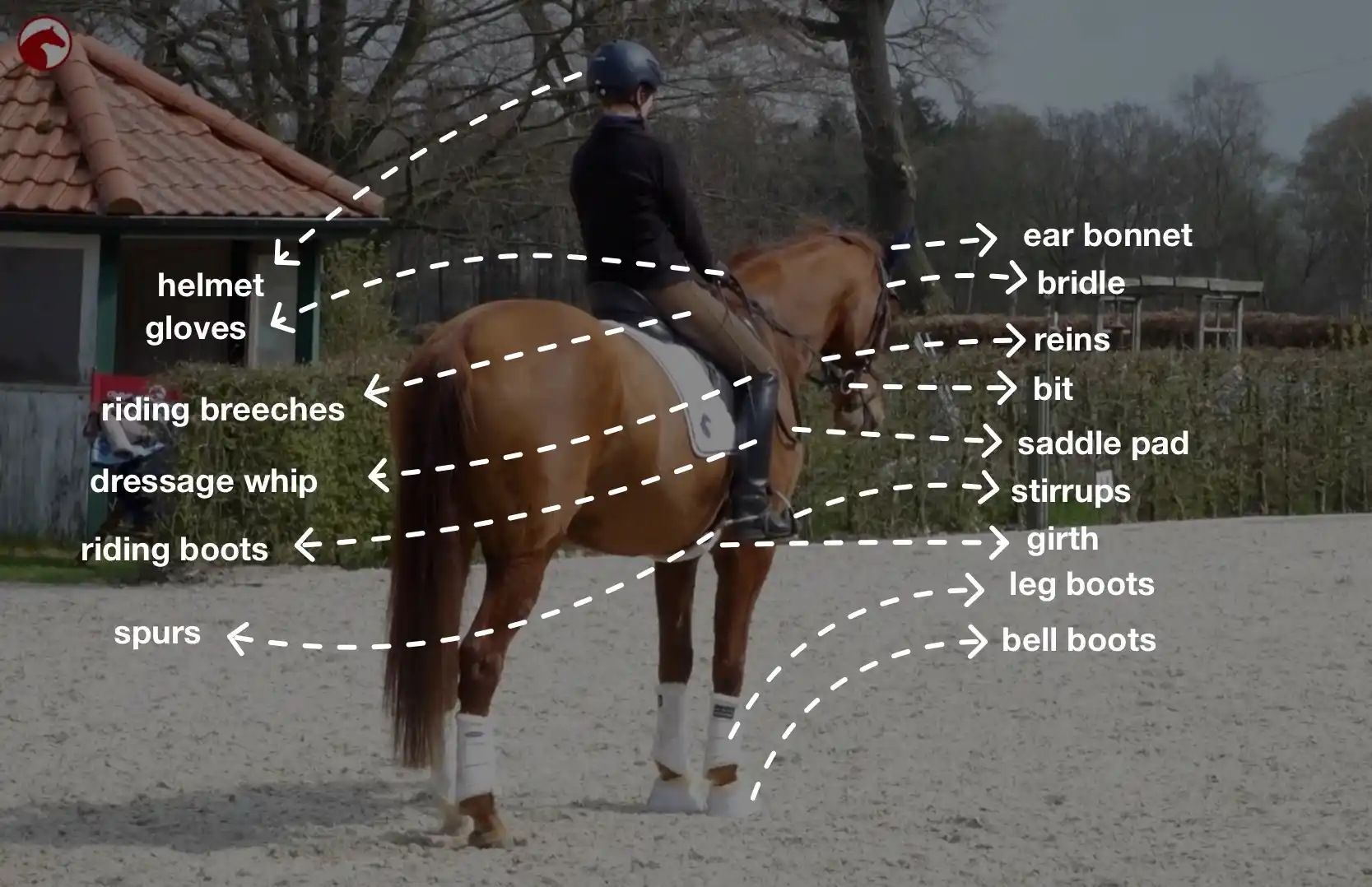
The riding helmet is the most important piece of equipment for the rider. It reliably protects against head injuries in the event of a fall – provided it fits properly. When buying a helmet, look for current safety standards (e.g. VG1), good ventilation and the possibility of individual adjustment. Helmets should be replaced after a fall or visible damage at the latest – even if nothing appears to be wrong from the outside.
Riding breeches – comfortable and non-slip
Riding breeches provide comfort in the saddle and prevent uncomfortable chafing. Typically, they have a grippy silicone or synthetic leather seat and knee patches that provide extra stability. For beginners, an affordable entry-level model is perfectly sufficient – what matters most is that the breeches fit well and do not restrict movement.
Riding boots or jodhpur boots with chaps
The right footwear provides stability and prevents the foot from slipping through the stirrup. Riding boots or a combination of jodhpur boots and chaps (leather gaiters) are the best choice here. It’s important to have a solid heel and a smooth sole – trainers or hiking boots are unsuitable.
Riding gloves – more feel, more grip
Gloves not only offer a better grip on the reins, they also protect against blisters – especially in the early stages. Models made from grippy, breathable material are ideal.
Optional but useful: body protector, riding jacket & more
For jumping lessons or hacks, a back protector or body protector is often recommended – some riding schools even require it. A weatherproof riding jacket, breathable riding socks and, if necessary, a narrow scarf complete the basic outfit.
What does the horse need?
A well-equipped horse is relaxed, willing to perform and can be handled and ridden safely. The basic equipment for a horse covers not only riding, but also grooming, stable routine and first aid. The rule is: everything should fit properly, be of good quality and functional – because poorly fitting or unsuitable equipment can cause pain and lead to resistance or even injury.
Saddle – the heart of the equipment
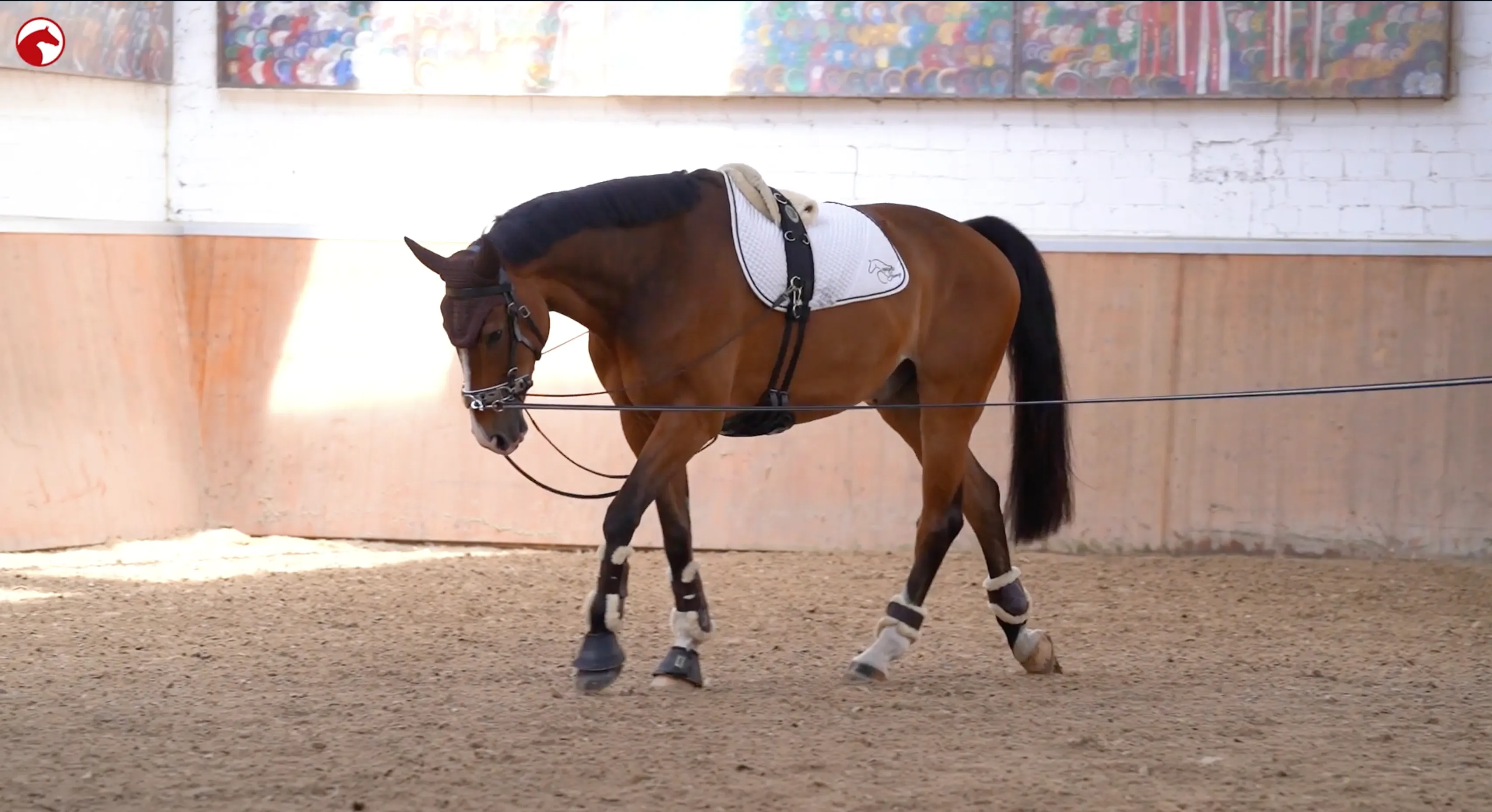
The saddle is the link between rider and horse. It must fit exactly – both the horse’s back and the rider’s seat. Too narrow, too wide, too hard: an ill-fitting saddle can cause pressure points and postural problems. A professional saddle fitting by an expert is therefore essential. For beginners, there are also good used saddles or flexible rental options. A suitable saddle pad (numnah or saddle pad) should always be placed under the saddle to absorb sweat and distribute pressure.
Bridle – communication through subtle signals
The bridle consists of the headpiece, noseband and bit. It is used to steer the horse and communicate with it. Here too, the fit is crucial: nothing should pinch, rub or restrict breathing. For beginners, a simple English bridle with a snaffle bit is a good choice. Alternatives such as bitless bridles are possible but should be introduced under professional guidance.
Halters & lead ropes – safe handling from the ground
In the stable, out on the field or during grooming, every horse needs a well-fitting halter and a lead rope. Nylon models are robust and easy to care for, leather variants look more elegant but are more delicate. A panic snap on the rope provides extra safety.
Grooming kit – care is connection
Daily grooming is not only about cleanliness, but also about checking your horse’s health and building trust. Basic equipment includes:
- Body brush & curry comb
- Hoof pick (a must before and after riding!)
- Mane brush, sponges and, if needed, a sweat scraper
A sturdy grooming box or bucket keeps everything close at hand.
Stable first-aid kit – first aid for minor emergencies
Every horse should have access to a small first-aid kit at the yard. This should include, among other things:
- Disinfectant
- Wound ointment
- Bandaging material
- Thermometer
- Emergency contacts (vet, farrier)
This equipment is often forgotten – but is worth its weight in gold in an emergency.
Was sagt die FEI – Turnierausrüstung & Regelvorgaben
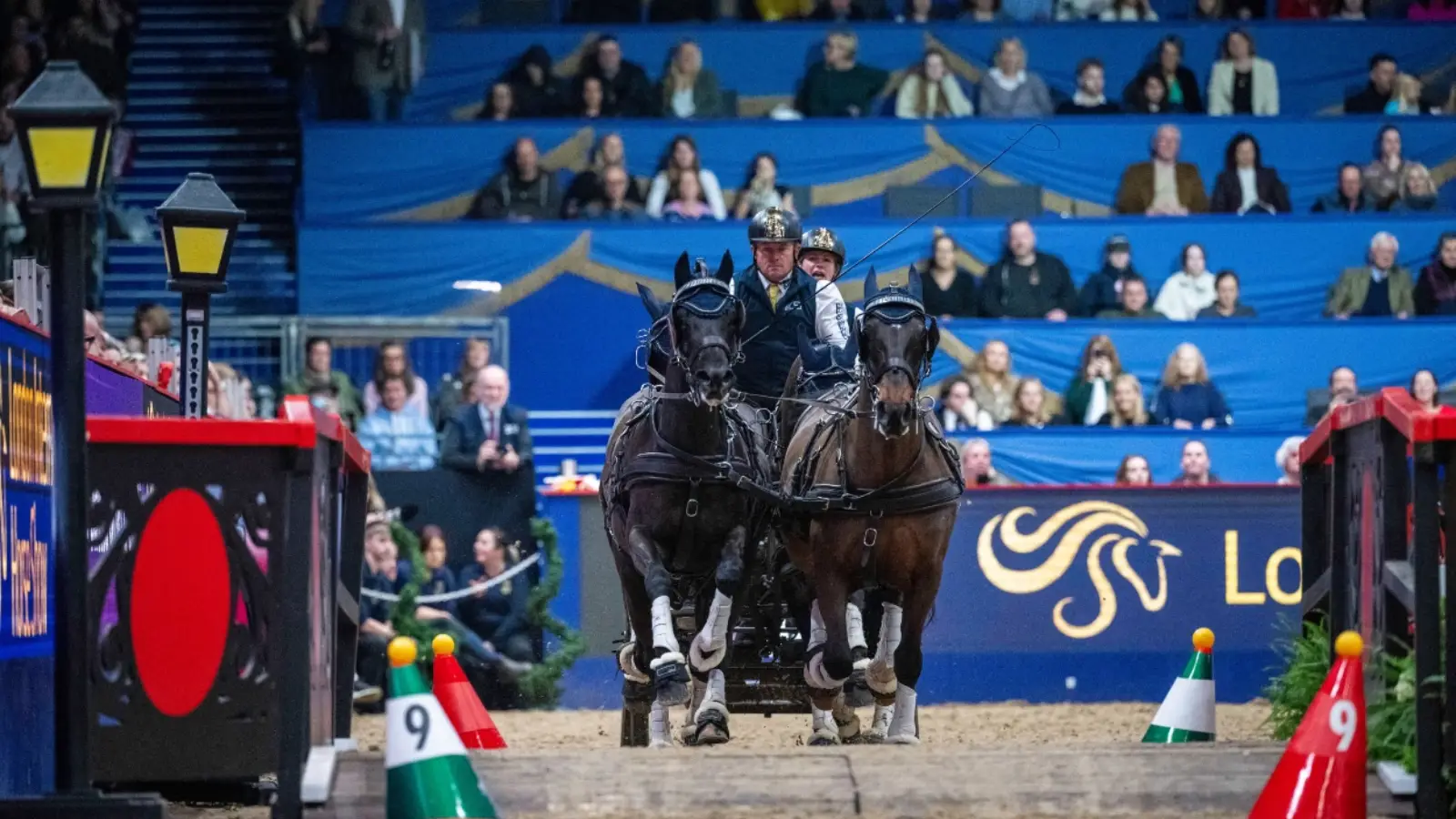
Anyone who doesn’t just ride for leisure but also wants to compete at shows cannot get around the regulations of the Fédération Équestre Internationale (FEI). The FEI defines exactly which equipment is allowed for horse and rider – and which items are forbidden or only permitted under certain conditions.
The FEI equipment catalogue
The FEI publishes an official equipment catalogue, which is updated regularly. It includes:
- approved bits
- nosebands and bridles
- permitted and prohibited auxiliary reins
- regulations on leg protection, bandages and boots
- rules on riding helmets and safety vests; and requirements for competition clothing.
The current version can be accessed directly via the FEI website:
👉🏼view the FEI Rules & Regulations online.
Why these rules matter
The aim of these regulations is to protect the horse and ensure fairness in competition. Equipment that overstrains the horse or influences it in an unnatural way is prohibited. At the same time, certain safety measures (e.g. riding helmets, body protectors for young riders in eventing) are mandatory.
What does this mean for leisure riders?
Even if you do not (yet) have any competition ambitions, it is worth taking a look at the because:
- it provides reliable guidance on which equipment is considered horse-friendly.
- Many riding schools and clubs base their rules on it – especially for clinics, courses or tests.
- And anyone who rides long-term will sooner or later come into contact with these standards.
Checklist, budget tips & common mistakes
Especially at the beginning, it is not easy to distinguish between “absolutely essential”, “nice to have” and “completely unnecessary”. This compact overview helps you invest in equipment in a targeted and sensible way – without blowing your budget or missing out on important details.
Realistically estimating your budget
How much does the basic equipment cost? – Of course, prices vary depending on quality, brand and whether you buy new or second-hand. Here is a rough guide:
Common beginner mistakes – and how to avoid them
“I need to buy everything new right away.” → No: especially for the saddle, but also for riding clothes, it’s worth starting with second-hand or borrowed items.
Poorly fitting helmets or boots. → Get advice in a specialist shop – correctly fitted equipment is essential.
Saving on the bridle, splurging on boots and bandages. → It’s better to invest in the things that actually have a direct effect on the horse.
Underestimating care and maintenance. → Well-cleaned and well-maintained equipment lasts longer and helps prevent injuries.
Conclusion: The better the equipment, the better the ride
The right equipment for rider and horse is not a luxury – it is the foundation for safety, harmony and enjoyment in the saddle. Those who invest early in well-fitting, functional and horse-friendly equipment protect themselves and their horse, avoid frustration and lay the groundwork for a healthy partnership in the stable and in the saddle.
Whether you only ride occasionally or want to dive deeper into the sport in the long term: with well-thought-out equipment that matches your level of experience, you avoid typical beginner mistakes and can fully concentrate on what really matters – communication with your horse.
Frequently asked questions about equipment for horse and rider
What equipment do you need for horse riding?
The basic equipment for the rider includes: a well-fitting riding helmet, comfortable riding breeches and suitable footwear with a heel (riding boots or jodhpur boots with chaps). For the horse, you need a properly fitted saddle, a bridle, a halter with lead rope and a basic grooming kit.
How much does the initial equipment for rider and horse cost?
Total costs vary depending on quality and whether you buy new or second-hand. A simple starter set usually ranges between €500 and €1,500 – depending on whether saddle and bridle are bought new or used.
Is a body protector compulsory?
In leisure riding, it is usually optional, but strongly recommended for jumping lessons and hacks. In competition, it is mandatory for children in certain disciplines – for example, eventing.
Can I buy equipment second-hand?
Yes – especially for saddles, riding clothing and grooming tools, buying used can be a good option. However, always pay attention to safety and fit, especially with helmets and saddles, as poor choices in these areas can have consequences for your health and your horse’s well-being.
You might also like