Keeping horses in winter — keeping your horse healthy, happy and ready to perform
When temperatures drop, many horse owners ask themselves how to properly keep their animals in winter. From species-appropriate horse husbandry in winter to training, feeding, stocking and stable climate to hoof care and health care: This guide explains how to optimally get your horse through the cold season — whether in an open stable or in a box.
Table of Contents
What does species-appropriate horse husbandry mean in winter?
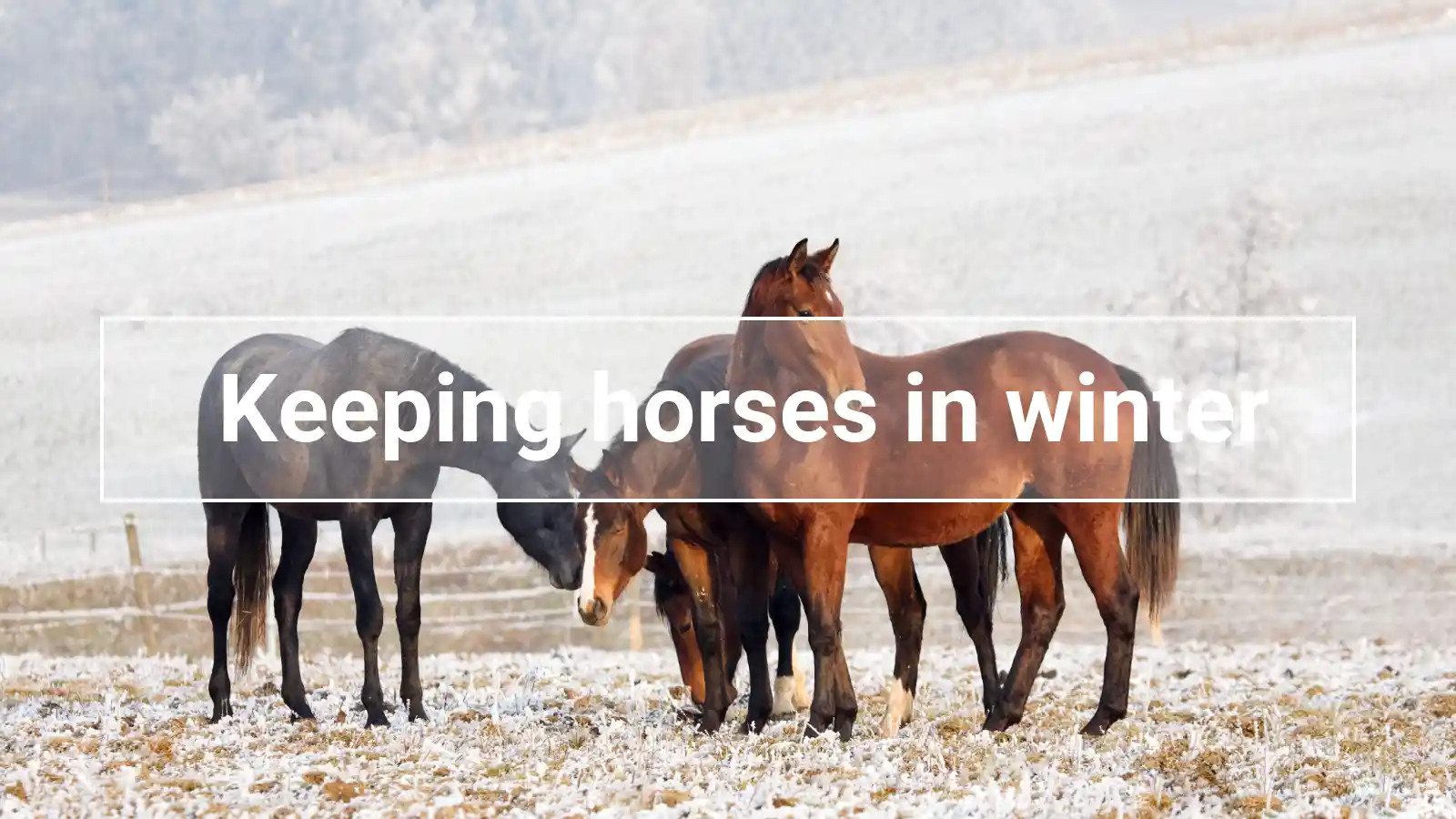
Species-appropriate horse husbandry in winter means meeting the horse's natural needs even in cold, wet and short days. Horses are not “frost-sensitive— they are Steppe animals, whose organism is excellently adapted to temperature fluctuations.
Thanks to their thick winter coat, who layer of fat under the skin And the ability to regulate temperature They do well even at sub-zero temperatures. It only becomes a problem when there is a lack of exercise, drafts, poor air quality or wet bedding.
Species-appropriate husbandry in winter therefore consists of several components:
- Enough movement,
- Good ventilation,
- High-quality roughage,
- Social contacts,
- and a dry, clean environment.
👉 More on the topic Species-appropriate husbandry
Keeping horses in open stables in winter — Natural movement despite the cold
Keeping horses in open stables in winter is the most natural form of accommodation. It enables constant movement, social contact and access to fresh air — all factors that strengthen the immune system.So that the housing truly remains species-appropriate, some conditions must be met:
Wind and weather protection
A dry, draft-free retreat is mandatory. Ideal is a shelter closed on three sides with an open front that protects against rain, snow and wind.
Dry lying areas
Moisture is the biggest enemy in winter. A sufficiently thick bedding layer made from straw or shavings binds moisture and insulates against cold floors.
Non-slip floor and drainage
Puddles, ice or mud increase the risk of injury. Good drainage and a slip-resistant surface (e.g. paddock plates or rubber mats) are essential.
Lighting and safety
It gets dark early in winter. Motion-detector lighting makes it easier to muck, feed and control. Reflectors on doors and walkways.
Frost-proof drinking bowls
Horses must have constant access to fresh water even at sub-zero temperatures.Buckets with heating coils to prevent freezing.
Keeping horses in Stables — Fresh air instead of heat
Not every horse lives in an open stable — many are in stall barns or in combined housing. Here, too, species-appropriate husbandry can be implemented in winter.
Ventilation and air conditioning
Air quality is critical. A smell of ammonia or fogged windows indicate insufficient air exchange. Daily ventilation, even at sub-zero temperatures, is mandatory — fresh air prevents respiratory problems.
Temperature and Humidity
The barn should be cool: temperatures between 5°C and 10°C are optimal. More important than heat is a low humidity (less than 80%). Dust-free litter, such as linen straw or pellets, helps protect the respiratory tract.
Turnout and social contact
Stabled horses also need daily exercise and social contact, on the paddock, in the walking facility or in the pasture, this is important for circulation, digestion and well-being.
Winter training plan — Stay fit despite frost and darkness
Many Riders Significantly Reduce Training in Winter — Horses Benefit from a consistent exercise routine. It is important that training plan adapt to the conditions.
Warming and cooling
In winter, that takes warm-up longer. Plan at least 15 minutes of walking so that muscles and tendons adjust to the temperature. In case of severe frost, a cooler helps prevent tension and sore muscles.
After riding, the horse should should be thoroughly dried— especially with thick winter coats. It is best to use a cooler made of fleece or wool. Only when the coat is dry again can the horse return to the stable or open stable without a blanket.
Alternative forms of training
Not every stable offers ideal conditions in winter. Alternatives to classic riding include:
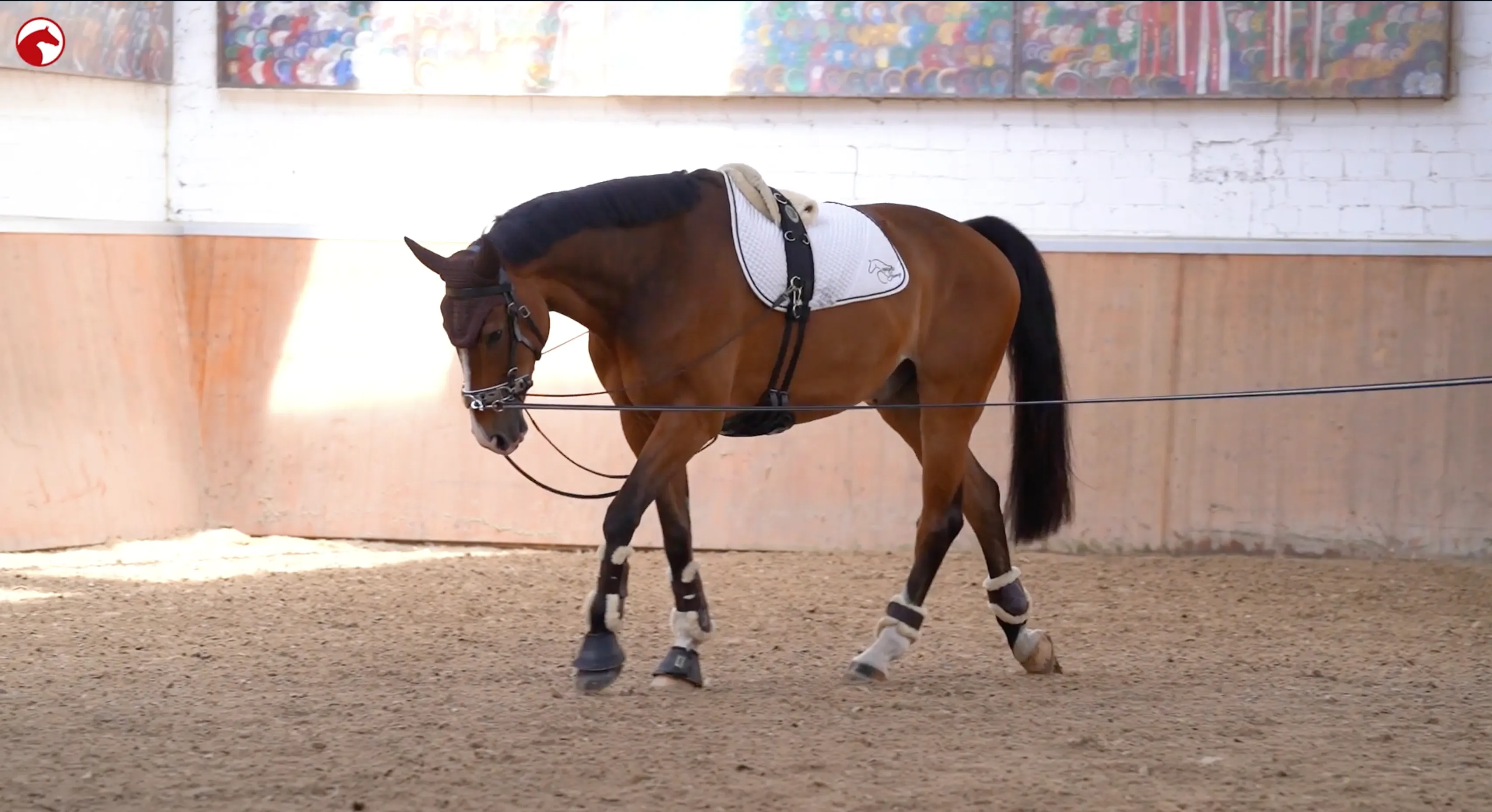
- Groundwork or double lungeing for gymnastics
- Cavaletti training in the arena or on good footing
- Walks in the countryside strengthen cardiovascular fitness and trust
- Interval lungeing to maintain fitness
Feeding in winter — energy, roughage and water requirements
Die correct feeding in winter Is essential for health, thermoregulation and digestion. Horses use more energy to maintain their body temperature during cold weather.
Roughage as an energy source
The heat is produced in horses by digesting roughage — not with concentrated feed! The so-called “fiber fermentation system” in the large intestine provides heat through microbial activity.
Therefore: Provide plenty of hay
Hay quality:
- Dry, dust-free and free from mold
- Late-cut hay provides more energy
- In case of respiratory problems, hay can be steamed or lightly moistened
Feeding frequency:
Several small portions spread over the day are ideal — should never go longer than four hours without food
Concentrated food — only when necessary
Easy keepers horses usually need no additional concentrated feed. In the case of sporthorses or cold-blooded breeds oats or mash deliver energy in small quantities.
Minerals and Trace Elements
In winter, the need for zinc, copper, selenium and vitamin E increased. These substances support coat change, skin health and the immune system. A balanced mineral feed should therefore not be missing.
Ensure sufficient water intake
Cold water often leads to reduced water intake, which increases the risk of constipative colic.
- Ideal water temperature: 8-12°C
- Check daily whether the drinking bowls are ice-free
- Mash or moist hay promotes fluid intake
Blanketing — yes or no?
The question of blanketing in winter sparks discussion every year.
When a blanket makes sense
- Clipped horses that are trained regularly
- Older horses or those with a weakened immune system
- in cases of illness (e.g., Cushing’s disease or underweight horses)
- continuous rain or a wet coat that dries poorly
When no blanket is needed
Healthy, unclipped horses usually need no blanket. Their coat adapts to temperature through piloerection and an insulating fat layer. If a horse is blanketed too early or too warmly, it loses this ability — which can cause long-term problems.
What to look for when blanketing
- Breathability: Sweat must be removed
- Fit: Blankets should not chafe
- Warmth class: 0-400 g, depending on coat and living conditions
- Regular monitoring: dirt or moisture can accumulate under the blanket.
Hoof care and equipment in winter
Hoof protection and risk of slipping
Ice and snow can get stuck in horseshoes and form dangerous “snowballs.” Snow plates or hoof grip systems prevent this. Barefoot horses often have an advantage here — they slip less.Regular trimming every 6–8 weeks remains essential, even in winter. Hooves that are too long increase the risk of tripping and tendon problems.
Winter-proof equipment
- Reflective equipment and safety vests are mandatory in the dark.
- Winter riding boots and thermal gloves protect the rider.
- Check saddle fit: the saddle position often changes due to winter coat and reduced training.
- Coolers and thermal blankets help with transitions between stable and training
Health Care — Immune system and coat care in winter
Winter places particular demands on horse health.
Strengthen the immune system
- Balanced feeding with roughage and minerals
- Daily exercise out in the fresh air
- Avoid stress — rest and routine help stabilize the immune system
- Herbs or yeast preparations can support the intestinal flora when needed.
Protect respiratory tract
Warm, humid air in the barn promotes germs. Therefore:
- Ventilate daily
- Do not hang wet blankets in the barn; avoid leaving wet equipment inside.
- Use dust-free feed
- Do not put horses in the stable immediately after exertion
Skin and coat care
The winter coat needs regular care with soft brushes to remove sebum and dirt.
- Groom thoroughly once a week.
- Clean oily manes and tail dock with a mild shampoo
- Check for chafing, mud build-up, and skin fungus.
Conclusion: Species-appropriate horse husbandry in winter means adaptation, not restriction
Die Proper horse keeping in winter Does not require “wrapping” the horse, but Adapting to natural needs.
With fresh air, enough roughage, exercise and regular care, horses get through the cold season excellently.
If you keep a close eye on your horse, you can quickly see whether it is cold, comfortable or is covered up too warmly. This makes winter not a challenge, but a time of rest, relaxation and a stronger bond between horse and man.
Keeping Horses in Winter: The Most Important Questions and Answers
How can I tell if my horse is cold?
Watch for cold ears, muscle shivering, and a tense posture. Most of the time, it’s not the cold but moisture that causes discomfort.
Should you clip a horse in winter?
Only if they are trained regularly and sweat heavily. Clipped horses then require consistent blanket and temperature management.
How do I prevent frozen water in an open stable?
Heated waterers or thermal buckets work best. Alternatively, replace water more often and offer it lukewarm.
Can horses go out to pasture in winter
Yes, as long as the ground is stable and not too slippery. Time outdoors is always beneficial.
How much hay does a horse need in winter?
At least 1.5 kg of hay per 100 kg of body weight, and more during frost or wind.
You might also like