ECVM in horses — diagnose, symptoms & treatment of Equine Complex Vertebral Malformation
Equine Complex Vertebral Malformation (ECVM) is a congenital malformation of the cervical spine in horses that is being diagnosed more and more frequently. Affected animals often show unspecific symptoms such as tension, lameness or rideability problems. Find out everything about the symptoms, diagnosis, treatment and prognosis of this disease here.
Table of Contents
What is ECVM in horses? Definition and explanation
ECVM stands for Equine Complex Vertebral Malformation, so one complex spinal column malformation in horses. This is congenital changes in the cervical spine, usually between 6th and 7th cervical vertebrae (C6 and C7) as well as the 1st thoracic vertebra (T1).
The malformation may result in Bone processes (processus ventrales) are asymmetrically laid out or completely missing. This results in a Throat statics shift, which in turn Nerves, muscles and joints may interfere.
Depending on its characteristics, ECVM remains undetected — or leads to significant restrictions on mobility and rideability.
How does ECVM occur in horses? Causes and heredity
The exact Causes of ECVM have not yet been fully clarified. However, researchers assume that genetic factors play an important role. In various studies, a hereditary component Suspects why the disease is particularly common in certain Breeding lines and warmblood breeds Accurate appearance.
Auch Housing conditions, nutrition and growth stress may affect spinal development and aggravate existing abnormalities.
One ECVM inheritance is not yet fully proven, but growers and vets are increasingly demanding affected stallions exclude from breeding in order to contain the risk of further inheritance.
Symptoms: How do you recognize ECVM in horses?
Die Symptoms of ECVM can be very different — from unobtrusively unto distinctly clinical. Many horses only show subtle rideability problems at first, which is why the diagnosis is often made late.
Typical ECVM symptoms in horses:
- Clock imperfections, particularly in twists
- Difficulty bending or standing
- Neck and back tension
- rideability problems, such as resistance or “stiff neck”
- Ataxia (coordination disorders)
- Lameness without orthopedic findings
- Backward straightening or bridging problems
- Unwillingness when galloping or transitioning
In severe cases, ECVM can lead to neurological symptoms lead, approximately uncertain gait, tripping or muscle atrophy.
Diagnosis: How is ECVM diagnosed?
Die Diagnosing ECVM carried out by veterinary by means of X-ray examination the cervical spine.
Since the malformation is usually due to C6/C7 Is there a need for special lateral and oblique radiographs be manufactured in order to be able to assess the bone structure.
Die X-ray costs For ECVM, depending on the clinic and number of recordings, you can choose between 300€ and 800€ lie down.
In addition, a neurological examination be carried out to identify any nerve disorders. In rare cases, CT or MRI images used, in particular for planning operations or clarifying complex cases.
Treatment: What to do with ECVM?
Since ECVM is a structural malformation Is, does she let herself Do not completely heal. The treatment aims to: to alleviate pain, to stabilize muscles And the motility to preserve the horse.
Conservative therapy
- Physiotherapy & osteopathy: Mobilizing affected parts of the spine and relieving tension.
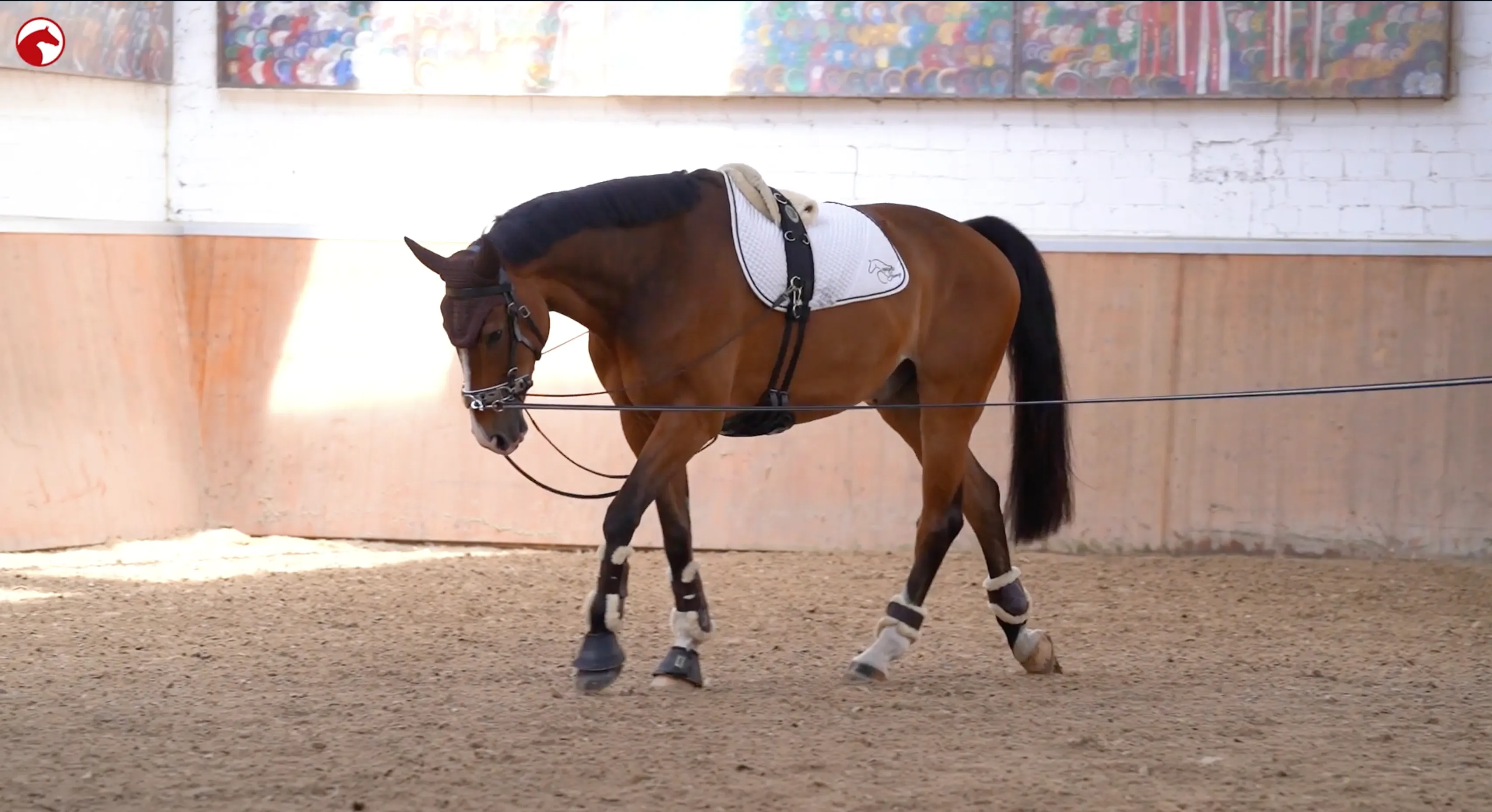
- Workout: Gentle, targeted muscle building training, e.g. at Longe with side passages and transitions.
- Feeding: Muscle support through targeted mineral and vitamin supplement, in particular magnesium, vitamin E and selenium.
- Pain management: In case of acute symptoms, the vet may administer anti-inflammatory drugs.
Operative treatment
One operation is only carried out in exceptional cases, such as when a significant compression of the spinal cord or nerve roots available. The procedure is technically demanding, cost-intensive and involves risks — the Chances of success are very different from person to person.
ECVM and rideability — can you ride affected horses?
Whether a Horse rideable with ECVM depends on the severity of the malformation and the symptoms.
Mild cases with stable muscles and no neurological failures can often continue to be ridden under adapted training.
For horses with ataxia, soreness or clarify coordination disorders However, should no longer ridden become — the risk for horse and rider is too high. In very severe cases, a euthanasia (euthanizing) be necessary to save the animal further suffering.
Training and movement at ECVM
A good Training at ECVM is crucial to strengthen muscles and stabilize the spine.
Important are Straightforward work, side passages, transitions and Stretching phasesto promote mobility.
The following are recommended:
- Lunge work
- Cavaletti training to a moderate extent
- Off-road walks for head and body
- No jumping training or hard assembly work
Feeding at ECVM — what is important?
Die Feeding ECVM horses should be targeted at Muscle building and nerve health be voted on.
In addition to high-quality basic feeding, micronutrients essential:
- Vitamin E and selenium — Protection of nerve cells
- magnesium — supports muscle relaxation
- omega-3 fatty acids — have an anti-inflammatory effect
- amino acids (lysine, methionine) — promote muscle growth
Prognosis — what are the chances of recovery with ECVM?
Die Forecast for ECVM Depends heavily on severity the malformation.
Mild cases can often remain stable for years with consistent training and adjusted posture.
However, for horses with pronounced neurological symptoms, the prognosis is careful to unfavorable. In some cases, a pain-free life is without riding load, but possible with exercise in the pasture.
One complete healing is currently not possible as it is a congenital alteration acts.
ECVM for horses: The most important questions and answers
What is ECVM in horses?
ECVM stands for Equine Complex Vertebral Malformation and describes a congenital malformation of the cervical spine, usually in the area C6—C7.
How do you recognize ECVM in horses?
Typical signs include tension, rideability problems, undiagnosed lameness and, in some cases, neurological symptoms such as ataxia.
How is ECVM diagnosed?
Using x-rays of the cervical spine, possibly supplemented by neurological tests or CT/MRI.
Can ECVM be treated?
There is no cure for ECVM, but targeted training, physiotherapy measures and appropriate feeding can stabilize the condition.
Can a horse be ridden with ECVM?
It depends on the individual case. Mild abnormalities can remain rideable; severe forms usually require a break from riding or euthanasia.
You might also like